

Ask ten guides in Lakeside when to trek and nine will say October. They are not wrong, but they are not the whole answer either. Nepal’s weather is driven by one big event, the summer monsoon, and almost everything about trekking conditions follows from where you are in relation to it: before, during or after.
This guide walks through the year month by month, explains what each season actually feels like on the trail, and suggests which routes make the most of it. If you have fixed holiday dates, it will also help you pick the trek that fits them rather than the other way round.
Nepal’s four trekking seasons at a glance
Nepal has four seasons that matter to trekkers. Their edges blur by a week or two each year, and altitude changes everything: a clear November day in Pokhara can be minus fifteen at night in Gorak Shep.
- Autumn (late September to November): settled weather, rinsed-clean air after the monsoon, the sharpest mountain views of the year and the busiest trails.
- Winter (December to February): cold, dry and quiet. Lower routes are excellent; high passes may close after heavy snow.
- Spring (March to May): warmer days, rhododendron forests in flower, more afternoon cloud and some pre-monsoon haze by May.
- Monsoon (June to mid-September): daily rain on the southern slopes, leeches in the forests and cloud over the peaks, except in rain-shadow regions such as Mustang.
There is no bad month to trek in Nepal, only treks that suit some months better than others. Choose the trail for the season, not the season for the trail.
Autumn: the classic window
Once the monsoon breaks, usually in the second half of September, the Himalaya enters its best spell. Skies are reliably clear in the mornings, the air is washed of dust and the terraces are still green or turning gold with the rice harvest. October is the single busiest month on every major route.
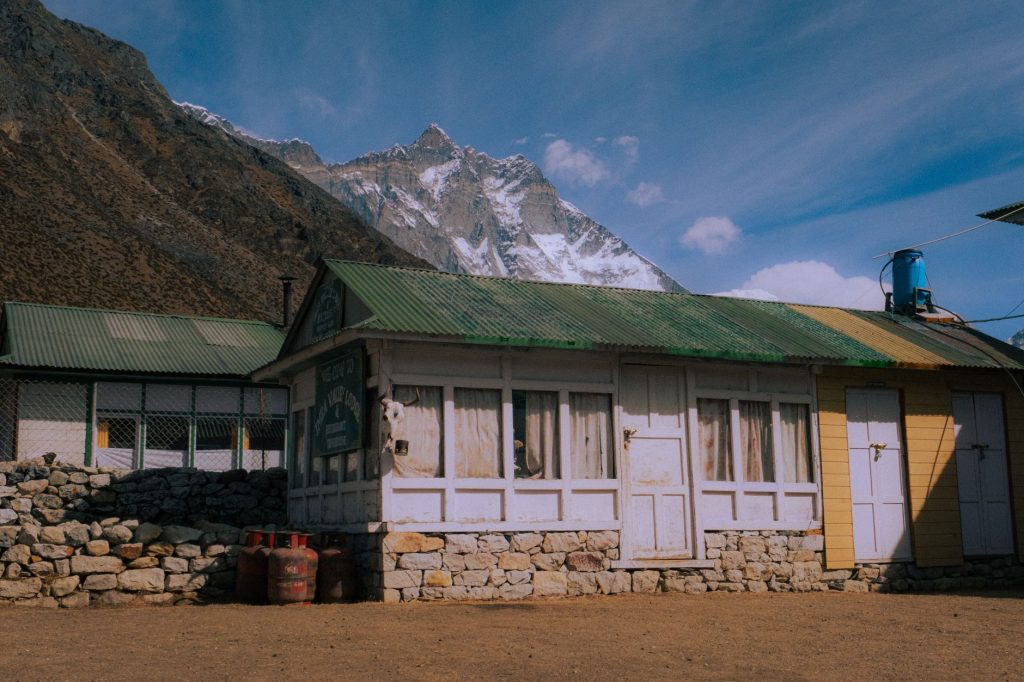
That popularity has a cost. Lodges on the Everest Base Camp Trek and around Annapurna Base Camp fill early, and in peak season most Lukla flights are routed through Ramechhap (Manthali) rather than Kathmandu, which adds a long early-morning drive. November is a touch colder and noticeably calmer, and for many trekkers it is the sweet spot.
Temperatures in autumn are kind at every altitude. Pokhara and the lower valleys sit comfortably in the mid-twenties by day, and even at Everest Base Camp clear afternoons can feel warm in the sun, although nights there drop well below freezing by November.
Autumn also brings Dashain and Tihar, Nepal’s two biggest festivals. They are a joy to see, but transport and staff are stretched around the main festival days, so build in a spare day either side.
Winter: clear, cold and quiet
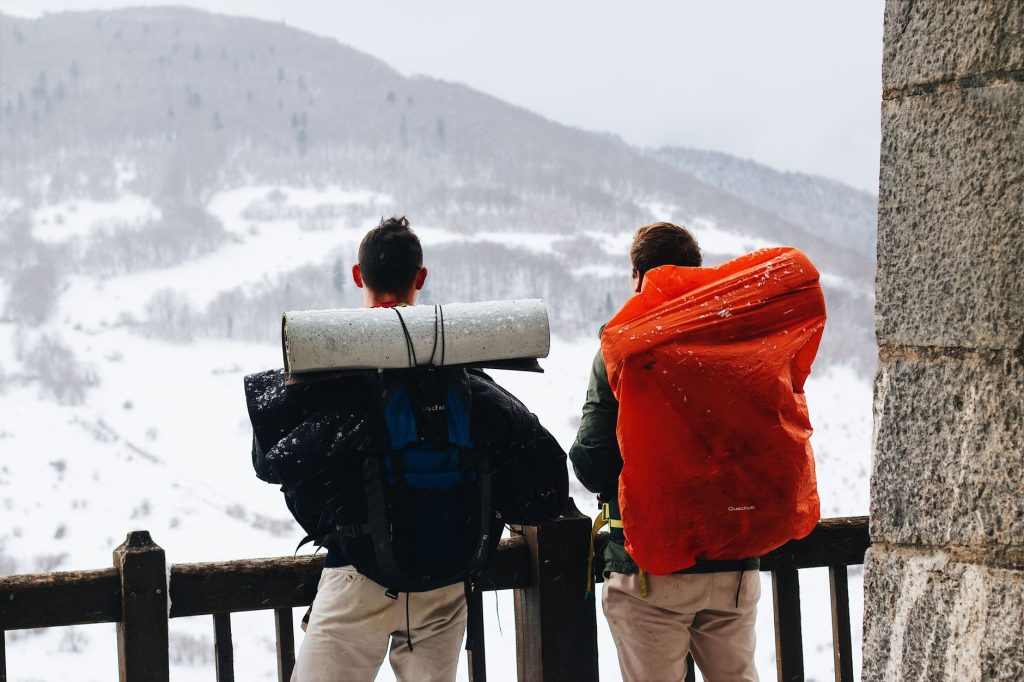
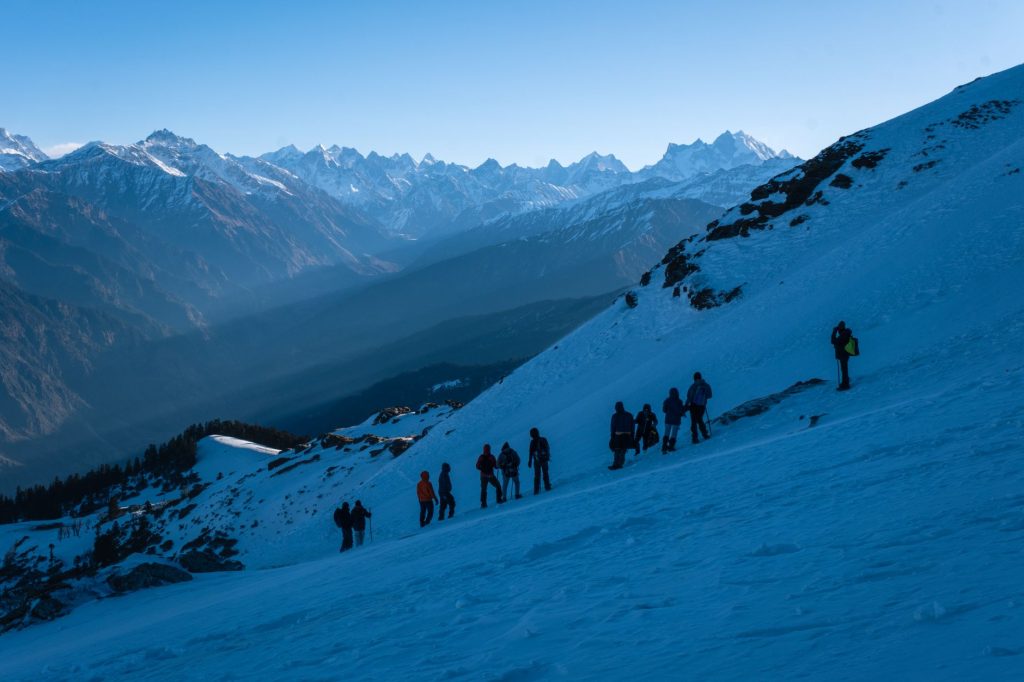
December to February is underrated. The skies stay clear, the trails empty out and lodges have time to talk. The trade-off is cold, especially at night, and the chance of snow closing the highest passes such as Thorong La or the Cho La.
Winter is also the best season for photographers who want crisp, dust-free air. The low sun throws long shadows across the ridges, and sunrise from a viewpoint such as Poon Hill or Kala Patthar is often cloudless for weeks at a time.
- Best for low and mid-altitude routes such as Poon Hill, Ghorepani–Ghandruk and the Everest Panorama.
- Some high lodges close for the coldest weeks, so routes need checking before you commit.
- Days are short: start early and plan to be indoors by late afternoon.
- A warm sleeping bag rated to around minus 15°C makes winter treks far more comfortable.
Spring: rhododendrons and long days
Spring is the second peak season and, for some, the better one. From March the rhododendron forests below 3,500 metres turn red, pink and white, days are warmer and the high routes are fully open. It is also expedition season on Everest, which gives Base Camp a buzz you will not find in autumn.
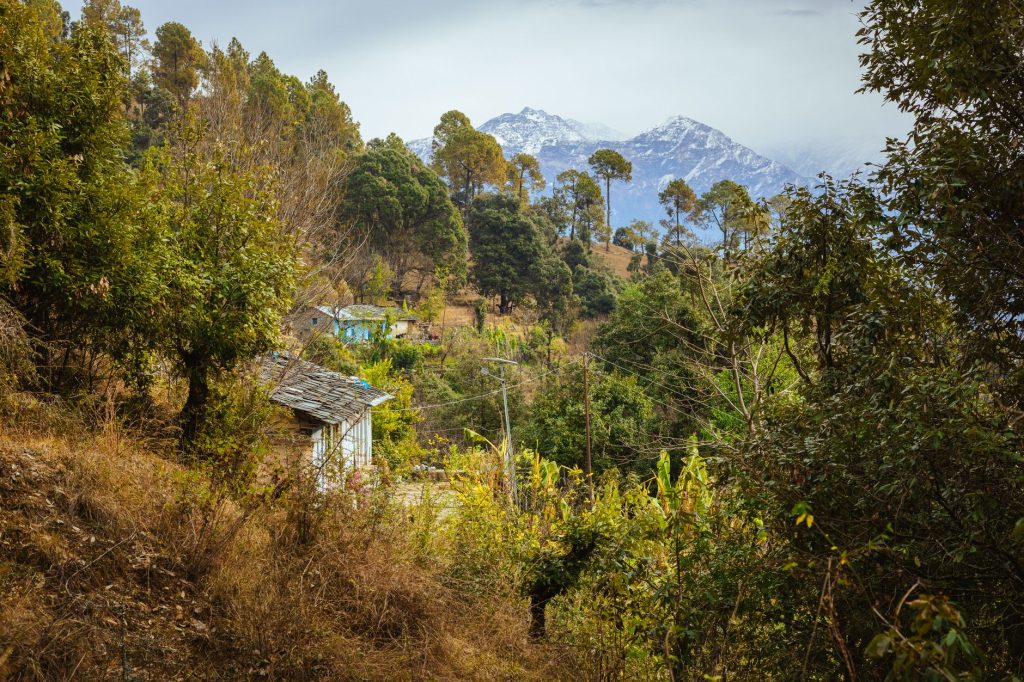
Views are generally excellent in March and April. By May, heat and haze build in the foothills and afternoon cloud becomes routine, so plan for early starts and accept that the best photographs come before lunch.
Spring is also when birdlife is at its most active and the long days give you more walking time. Holi, the festival of colours, usually falls in March, and Nepali New Year arrives in mid-April.
Monsoon: green trails and rain-shadow treks
From June to mid-September, moist air from the Bay of Bengal brings rain to most of the country. Trails below 3,000 metres are wet, slippery and home to leeches, roads can be cut by landslides and flights into mountain airstrips are delayed more often. Mountain views do appear, usually at dawn, but you cannot count on them.
The exception is the rain-shadow north of the main Himalayan chain. Upper Mustang receives very little rainfall and is at its best in summer, when the barley fields of the valley oases are green. Monsoon is also a lovely time for culture-led trips, and for anyone who likes lush scenery and very quiet trails.
If you do trek in the shoulder weeks of June or September, choose routes with road access at both ends, keep your itinerary flexible and pack for rain every afternoon. Lodges are quieter and easier to book, and the waterfalls and rice terraces are at their most dramatic.

Our rule of thumb. If your dates are fixed, pick the route to fit them: high passes for October and November, lower ridges for winter, rhododendron routes for March and April, and Mustang for July and August.
Matching your dates to a trek
Putting it together, here is the pairing we suggest most often to people planning from abroad. Crowds and lodge prices follow the same pattern as the weather, so the shoulder weeks at either end of each season often give the best balance of conditions and quiet.
- October–November: Everest Base Camp, Annapurna Circuit, Manaslu Circuit, Annapurna Base Camp.
- December–February: Poon Hill, Ghorepani–Ghandruk, Mardi Himal (snow permitting), Everest Panorama.
- March–May: Annapurna Base Camp, Langtang Valley, Everest Base Camp, any rhododendron-forest route.
- June–September: Upper Mustang, Jomsom–Muktinath, or a Kathmandu, Pokhara and Chitwan touring trip.
Whatever the season, the more flexible you are the better your odds. One spare day at the end of a high-altitude trek absorbs a delayed flight or a slow acclimatisation day without drama. For the next step, read our guide to altitude sickness, or browse all of our trekking and hiking trips.