




Annapurna
Sacred monasteries, Himalayan peaks, and ancient pilgrimage routes — guided by a Nepal-based team with deep Nepal expertise. All permits handled from Kathmandu.
Discover Everest

Choose Your Everest Adventure
Carefully designed trekking itineraries led by experienced local guides, from beginner-friendly hikes to legendary Himalayan expeditions.
View all trips
Annapurna Base Camp Trek
-
 7 Days
-
 Medium
-
 4,130 m (13,550 ft)
A compact 7-day trek from Pokhara into the Annapurna Sanctuary, reaching Annapurna Base Camp at...

Mardi Himal Trek
-
5 Days
-
Medium
-
4,500 m (14,764 ft)
A quiet five-day ridge trek from Pokhara to Mardi Himal Base Camp (4,500 m), with...

Ghorepani Poon Hill Trek
-
4 Days
-
Easy
-
3,210 m (10,531 ft)
A short four-day trek from Pokhara to the famous Poon Hill sunrise viewpoint (3,210 m),...

Ghorepani Ghandruk Trek
-
5 Days
-
Easy
-
3,210 m (10,531 ft)
A relaxed five-day loop from Pokhara taking in the Poon Hill sunrise, rhododendron forest and...

Australian Base Camp Trek
-
2 Days
-
Easy
-
2,060 m (6,759 ft)
An easy overnight hike from Pokhara to Australian Camp (2,060 m) for sunset and sunrise...

Annapurna Circuit Trek
-
14 Days
-
Hard
-
5,416 m (17,769 ft)
Cross the Thorong La (5,416 m) on Nepal's classic circuit, from the green Marsyangdi valley...

Upper Mustang Trek
-
15 Days
-
Medium
-
4,280 m (14,042 ft)
Walk into the old Kingdom of Lo: wind-carved canyons, red-cliff villages and the walled city...
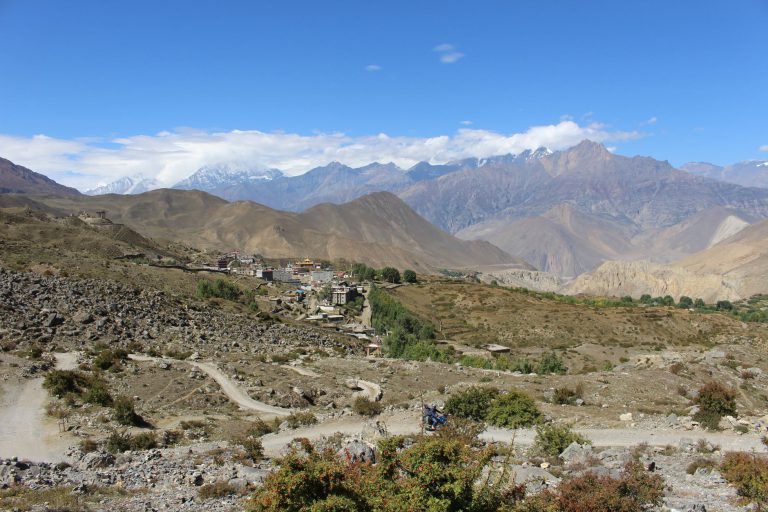
Jomsom Muktinath Trek
-
9 Days
-
Medium
-
3,800 m (12,467 ft)
Fly into Jomsom and walk the windswept Kali Gandaki valley of Lower Mustang to Kagbeni,...
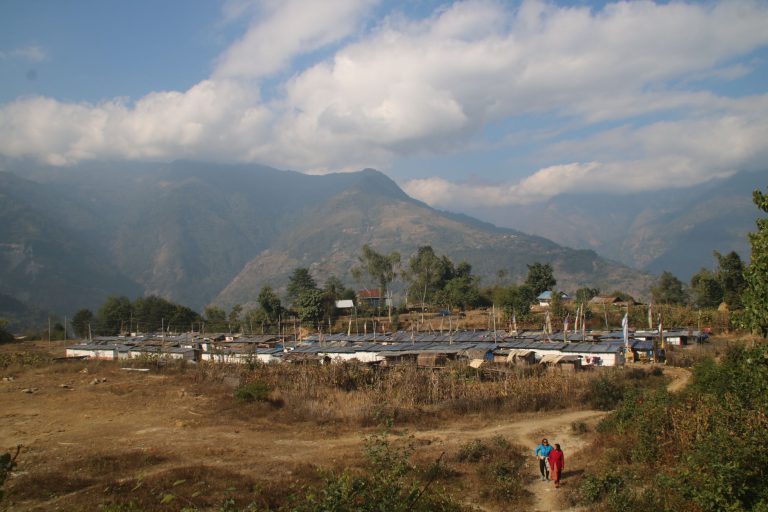
Sikles Trek
-
5 Days
-
Medium
-
2,450 m (8,038 ft)
A quiet five-day trek from Pokhara to Sikles, one of Nepal's largest Gurung villages, with...

Annapurna region FAQs
Permits, seasons and logistics for trekking in the Annapurna region.
Ask our team


