





Everest Three High Pass Trek
-
 Everest (Khumbu) Region, Nepal

Kongma La, Cho La and Renjo La passes

Everest Base Camp and Kala Patthar

Gokyo Ri and the Gokyo Lakes

Sherpa villages of Thame and Namche
The Everest Three High Pass Trek is the most complete and adventurous journey in the Khumbu. Instead of walking in and out along one valley, you link the region’s great valleys by crossing three passes above 5,300 m: Kongma La (5,535 m), Cho La (5,420 m) and Renjo La (5,360 m).
After acclimatising in Namche Bazaar and Dingboche, you cross Kongma La from Chhukung into the upper Khumbu, stand at Everest Base Camp and watch sunrise from Kala Patthar. Cho La then takes you over a small glacier into the Gokyo valley, where you climb Gokyo Ri for one of the finest views in the Himalaya, taking in Everest, Lhotse, Makalu and Cho Oyu above the Ngozumpa Glacier and the turquoise Gokyo Lakes.
The final pass, Renjo La, delivers a last sweeping Everest panorama before you descend through the quiet Bhote Koshi valley and the traditional Sherpa village of Thame, then return to Namche and Lukla.
This is a strenuous trek for fit walkers with previous high-altitude experience. Pass days are long, start before dawn and can involve snow and ice. Our Elevate Trek guides set a careful pace, and the itinerary follows the recommended anticlockwise direction so you are well acclimatised before each crossing.
-
 Duration
 19 Days
-
Nights
18 Nights
-
 Difficulty
 Hard
-
 Max.Elevation
 5,545 m (18,192 ft)
-
 Accomodation
 Hotel, Lodge & Tea house
-
 Meals
Meals Breakfast, Lunch & Dinner during the trek
-
 Group Size
 1 - 12 Travelers
-
 Best Season
 Mar - May, Sep - Nov
-
 Starting Point
 Kathmandu
-
 Ending Point
 Kathmandu
-
 Permit
 Sagarmatha National Park Permit, Khumbu Pasang Lhamu Rural Municipality Permit
-
 Trip Type
 Private or Group
The Everest Three High Pass Trek is the most complete and adventurous journey in the Khumbu. Instead of walking in and out along one valley, you link the region’s great valleys by crossing three passes above 5,300 m: Kongma La (5,535 m), Cho La (5,420 m) and Renjo La (5,360 m).
After acclimatising in Namche Bazaar and Dingboche, you cross Kongma La from Chhukung into the upper Khumbu, stand at Everest Base Camp and watch sunrise from Kala Patthar. Cho La then takes you over a small glacier into the Gokyo valley, where you climb Gokyo Ri for one of the finest views in the Himalaya, taking in Everest, Lhotse, Makalu and Cho Oyu above the Ngozumpa Glacier and the turquoise Gokyo Lakes.
The final pass, Renjo La, delivers a last sweeping Everest panorama before you descend through the quiet Bhote Koshi valley and the traditional Sherpa village of Thame, then return to Namche and Lukla.
This is a strenuous trek for fit walkers with previous high-altitude experience. Pass days are long, start before dawn and can involve snow and ice. Our Elevate Trek guides set a careful pace, and the itinerary follows the recommended anticlockwise direction so you are well acclimatised before each crossing.


Itinerary
A 19-day anticlockwise circuit of the Khumbu, crossing Kongma La, Cho La and Renjo La with visits to Everest Base Camp, Kala Patthar and Gokyo Ri.
Arrival in Kathmandu
-
 Max Altitude
1,350 m
Max Altitude
1,350 m
-
 Accommodation
Hotel
Accommodation
Hotel
- Travel Mode Car
Our team welcomes you at Tribhuvan International Airport and transfers you to your hotel in Kathmandu. After some rest, meet your guide for a trek briefing and a gear check. We collect your passport details and photos for the permits and make sure you have everything needed for the high passes, including warm layers, gloves and microspikes. The evening is free to explore Thamel, pick up any last-minute gear and enjoy a welcome dinner in the city.
Day highlights
-
 Airport welcome
 -
Trek briefing and gear check
Fly to Lukla, Trek to Phakding
-
Max Altitude
2,860 m
-
Accommodation
Guesthouse (Basic Lodge/Community Lodge)
-
Meals
Breakfast, Lunch, and Dinner Included
An early start takes you to the airport for the scenic mountain flight to Lukla. In spring and autumn, Lukla flights usually depart from Ramechhap, around 4 hours’ drive from Kathmandu. From Lukla (2,860 m) you meet your porters and set off on a gentle, mostly downhill walk through Chaurikharka and small Sherpa settlements along the Dudh Koshi River. Mani stones, prayer wheels and views of Kusum Kanguru accompany you to Phakding, where you spend the first night in a teahouse.
Day highlights
-
Mountain flight to Lukla
-
Dudh Koshi valley
Trek to Namche Bazaar
-
Max Altitude
3,440 m
-
Accommodation
Guesthouse (Basic Lodge/Community Lodge)
-
Meals
Breakfast, Lunch, and Dinner Included
Follow the Dudh Koshi upstream, crossing several suspension bridges, to Monjo and the Sagarmatha National Park entrance. After the checkpoint the trail crosses the high Hillary Bridge and climbs steeply through pine forest, with your first glimpse of Everest on a clear day. Namche Bazaar (3,440 m), the bustling Sherpa capital, sits in a horseshoe-shaped bowl and offers bakeries, gear shops and comfortable lodges.
Day highlights
-
Hillary Bridge
-
First Everest view
-
Namche Bazaar
Acclimatisation Day in Namche Bazaar
-
Max Altitude
3,880 m
-
Accommodation
Guesthouse (Basic Lodge/Community Lodge)
-
Meals
Breakfast, Lunch, and Dinner Included
A vital rest day to help your body adjust. Hike up to the Syangboche area and Hotel Everest View (3,880 m) for sweeping views of Everest, Lhotse, Ama Dablam and Thamserku, or continue to the Sherpa villages of Khumjung and Khunde, home to the Hillary School and the Khunde Hospital. Back in Namche, visit the Sherpa Culture Museum or the national park visitor centre before resting for the night.
Day highlights
-
Hotel Everest View viewpoint
-
Khumjung village
Trek to Tengboche
-
Max Altitude
3,860 m
-
Accommodation
Guesthouse (Basic Lodge/Community Lodge)
-
Meals
Breakfast, Lunch, and Dinner Included
A scenic contour path leads towards Kyangjuma with Ama Dablam ahead, before the trail drops to the Dudh Koshi at Phunki Thanga. A steady climb through rhododendron and fir forest brings you to Tengboche (3,860 m), home of the Khumbu’s most important monastery. Attend the afternoon prayers if you can, and enjoy the evening light on Everest, Lhotse and Ama Dablam.
Day highlights
-
Tengboche Monastery
-
Ama Dablam views
Trek to Dingboche
-
Max Altitude
4,410 m
-
Accommodation
Guesthouse (Basic Lodge/Community Lodge)
-
Meals
Breakfast, Lunch, and Dinner Included
Descend through forest to Debuche, cross the Imja Khola and climb gently through Pangboche, one of the oldest villages in the Khumbu. The trees fall away as you continue up the Imja valley to Dingboche (4,410 m), a patchwork of stone-walled barley fields beneath Ama Dablam and the south face of Lhotse.
Day highlights
-
Pangboche village
-
Imja valley
Trek to Chhukung
-
Max Altitude
4,730 m
-
Accommodation
Guesthouse (Basic Lodge/Community Lodge)
-
Meals
Breakfast, Lunch, and Dinner Included
A short walk up the Imja valley brings you to Chhukung (4,730 m), the last settlement before Kongma La. With the afternoon free, you can hike partway up Chhukung Ri for acclimatisation and superb views of Lhotse’s south face, Island Peak and the Imja Glacier. Rest well and prepare your gear: tomorrow is the first and toughest pass.
Day highlights
-
Lhotse south face
-
Island Peak views
Cross Kongma La (5,535 m) to Lobuche
-
Max Altitude
5,535 m
-
Accommodation
Guesthouse (Basic Lodge/Community Lodge)
-
Meals
Breakfast, Lunch, and Dinner Included
Set off before dawn for the highest and most remote of the three passes. The trail climbs steadily over moraine and past small frozen lakes to the prayer-flagged summit of Kongma La (5,535 m), with views of Makalu, Lhotse, Nuptse and Island Peak. There are no teahouses on this stretch, so you carry a packed lunch and plenty of water. A steep, loose descent leads to the Khumbu Glacier, which you cross carefully to reach Lobuche for the night.
Day highlights
-
Kongma La summit
-
Khumbu Glacier crossing
Trek to Gorak Shep and Everest Base Camp
-
Max Altitude
5,364 m
-
Accommodation
Guesthouse (Basic Lodge/Community Lodge)
-
Meals
Breakfast, Lunch, and Dinner Included
Walk along the lateral moraine of the Khumbu Glacier to Gorak Shep (5,164 m), where you drop your bags and have lunch. In the afternoon continue over rocky moraine to Everest Base Camp (5,364 m) beside the Khumbu Icefall. In spring you may see the colourful tents of Everest expeditions. Return to Gorak Shep for the night.
Day highlights
-
Everest Base Camp
-
Khumbu Icefall
Kala Patthar Sunrise, Trek to Dzongla
-
Max Altitude
5,545 m
-
Accommodation
Guesthouse (Basic Lodge/Community Lodge)
-
Meals
Breakfast, Lunch, and Dinner Included
Climb Kala Patthar (5,545 m) in the pre-dawn cold to watch sunrise on Everest, Nuptse and Pumori, the highest point of the trip. After breakfast at Gorak Shep, descend towards Lobuche and branch west on a quieter trail around the slopes above Chola Tsho lake, with Cholatse and Taboche rising ahead, to the small settlement of Dzongla (4,830 m).
Day highlights
-
Sunrise from Kala Patthar
-
Chola Tsho lake
Cross Cho La (5,420 m) to Thangnak
-
Max Altitude
5,420 m
-
Accommodation
Guesthouse (Basic Lodge/Community Lodge)
-
Meals
Breakfast, Lunch, and Dinner Included
Another early start for the second pass. The trail climbs over boulders to the foot of the Cho La, then crosses a short, gently sloping glacier near the top, where microspikes are often needed. From the summit (5,420 m) the view stretches over peaks on both sides. A steep, rocky descent leads into the Gokyo valley and on to Thangnak (Dragnag, 4,700 m) at the edge of the Ngozumpa Glacier.
Day highlights
-
Cho La glacier crossing
-
Descent into the Gokyo valley
Cross the Ngozumpa Glacier to Gokyo
-
Max Altitude
4,790 m
-
Accommodation
Guesthouse (Basic Lodge/Community Lodge)
-
Meals
Breakfast, Lunch, and Dinner Included
A short but interesting day crossing the rubble-covered Ngozumpa, the longest glacier in Nepal, following a trail that shifts each season. On the far side you reach the turquoise Gokyo Lakes and the lakeside village of Gokyo (4,790 m). Spend the afternoon resting or strolling along the shore of the third lake, Dudh Pokhari.
Day highlights
-
Ngozumpa Glacier
-
Gokyo Lakes
Gokyo Ri Sunrise and Rest in Gokyo
-
Max Altitude
5,357 m
-
Accommodation
Guesthouse (Basic Lodge/Community Lodge)
-
Meals
Breakfast, Lunch, and Dinner Included
Climb Gokyo Ri (5,357 m) before dawn for one of the finest viewpoints in Nepal. Four of the world’s 8,000 m peaks, Everest, Lhotse, Makalu and Cho Oyu, rise above the Ngozumpa Glacier and the lakes below. Return to Gokyo for breakfast, then enjoy a restful afternoon, or walk up the valley towards the fourth lake if you still have energy.
Day highlights
-
Gokyo Ri panorama
-
Four 8,000 m peaks in view
Cross Renjo La (5,360 m) to Lungden
-
Max Altitude
5,360 m
-
Accommodation
Guesthouse (Basic Lodge/Community Lodge)
-
Meals
Breakfast, Lunch, and Dinner Included
The third and final pass. A steady climb along the lakeshore and up stone steps brings you to Renjo La (5,360 m), whose view back over the Gokyo Lakes to Everest is often called the best on the circuit. The descent on the western side passes the lake of Relama Tsho into the remote Bhote Koshi valley, reaching the small settlement of Lungden (4,380 m).
Day highlights
-
Renjo La panorama
-
Remote Bhote Koshi valley
Trek to Thame
-
Max Altitude
4,380 m
-
Accommodation
Guesthouse (Basic Lodge/Community Lodge)
-
Meals
Breakfast, Lunch, and Dinner Included
Descend through Marlung along the Bhote Koshi, an old trade route towards the Nangpa La and Tibet. The valley is quiet, with yak pastures and stone houses. Thame (3,800 m) is a traditional Sherpa village known as the home of many famous Everest summiteers, with an ancient monastery set on the hillside above.
Day highlights
-
Thame Monastery
-
Old Tibet trade route
Trek to Namche Bazaar
-
Max Altitude
3,800 m
-
Accommodation
Guesthouse (Basic Lodge/Community Lodge)
-
Meals
Breakfast, Lunch, and Dinner Included
An easy walk down the Bhote Koshi valley through Samde and Thamo, passing a small hydropower plant and mani walls, brings you back to Namche Bazaar. Enjoy the afternoon with a hot shower, a bakery treat and a well-deserved celebration of the three passes.
Day highlights
-
Thamo village
-
Back to Namche
Trek to Lukla
-
Max Altitude
3,440 m
-
Accommodation
Guesthouse (Basic Lodge/Community Lodge)
-
Meals
Breakfast, Lunch, and Dinner Included
Descend the Namche hill, recross the suspension bridges and follow the Dudh Koshi through Monjo and Phakding before the final climb up to Lukla. Celebrate your last evening in the mountains with your guide and porters.
Day highlights
-
Farewell to the Khumbu
-
Evening with the crew
Fly Back to Kathmandu
-
Max Altitude
2,860 m
-
Accommodation
Hotel
-
Meals
Breakfast Included
Take the morning flight from Lukla to Kathmandu, or to Ramechhap followed by a drive to Kathmandu in the busy seasons. After checking in to your hotel, the rest of the day is free for rest or shopping. Because Lukla weather can delay flights, this day also acts as a buffer before your international departure.
Day highlights
-
Mountain flight
-
Free time in Kathmandu
Final Departure
-
Max Altitude
1,350 m
-
Meals
Breakfast Included
- Travel Mode Car
Our team transfers you to Tribhuvan International Airport in time for your flight home, with memories of three high passes, Everest Base Camp and Gokyo to carry with you.
Day highlights
-
Airport drop-off
Maps
Where this trip takes you.
Availability
Join a set group departure, or ask us for a private date that suits you.
Didn’t find a suitable date? Contact us with your dates and preferences.
Inclusions & exclusions
What the trip price covers, and what to budget for separately.
What’s included
- Airport transfers – Arrival and departure pick-up and drop-off in Kathmandu
- Accommodation – Hotel in Kathmandu and teahouse lodges throughout the trek
- Meals – Breakfast, lunch and dinner during the trek
- Mountain flights – Kathmandu (or Ramechhap) to Lukla and back, including ground transfers
- Permits – Sagarmatha National Park permit and Khumbu Pasang Lhamu Rural Municipality permit
- Expert guide – Government-licensed, experienced high-pass trekking guide
- Porter support – One porter shared between two trekkers
- Staff costs – Guide and porter wages, meals, accommodation and insurance
- First aid – Guide-carried first aid kit and pulse oximeter
Not included
- International flights – Air travel to and from Nepal
- Nepal visa – On-arrival visa fee
- Kathmandu meals – Lunch and dinner in Kathmandu
- Personal expenses – Drinks, snacks, hot showers, charging, WiFi and laundry
- Travel insurance – Must cover trekking up to 6,000 m and helicopter evacuation
- Personal gear – Trekking equipment such as sleeping bag, down jacket and microspikes
- Gratuities – Tips for your guide and porters
Why this trip stands out
-
 Cross all three of the Khumbu's great passes, each above 5,300 m, in a single circuit.
 -
Combine Everest Base Camp, Kala Patthar and Gokyo Ri, the region's three best viewpoints.
-
See four 8,000 m peaks: Everest, Lhotse, Makalu and Cho Oyu.
-
Escape the crowds in the quiet Gokyo and Bhote Koshi valleys.
-
An anticlockwise route with built-in acclimatisation before each pass.
Good to know
Practical information to help you prepare for this trip.

Altitude & Acclimatisation
You spend many nights above 4,700 m. The itinerary includes acclimatisation in Namche and a short day to Chhukung before Kongma La.
- Drink: 3 to 4 litres of water a day.
- Pace: walk slowly and steadily.
- Symptoms: report headache, nausea or dizziness to your guide straight away.

Essential Packing Guide
Pass mornings are freezing, so pack for the cold.
- Warmth: down jacket, thermal base layers, fleece and waterproof shell.
- Feet: broken-in waterproof boots, gaiters and wool socks.
- Pass gear: microspikes, trekking poles and a headtorch.
- Sleep: a four-season sleeping bag rated to about -15°C.
- Sun: UV sunglasses, sunscreen and lip balm.

Permits
Two permits are needed, both included:
- Sagarmatha National Park: NPR 3,000 plus VAT.
- Khumbu Pasang Lhamu Rural Municipality: NPR 3,000 per person for up to 30 days.

Accommodation and Meals
Teahouses are simpler and colder above 4,500 m, especially in Chhukung, Dzongla, Thangnak and Lungden. Rooms are twin-share with shared toilets. Meals come from the lodge menu, and dal bhat is the best fuel for pass days.

Travel Insurance
Insurance covering trekking up to 6,000 m and emergency helicopter evacuation is compulsory for this trek.
FAQs
Answers to the questions travellers ask us most about this trip.
Which of the three passes is the hardest?
Kongma La (5,535 m) is usually considered the toughest: it is the highest, has no teahouses on the way and ends with a crossing of the Khumbu Glacier. Cho La is the most technical because of its short glacier section, and Renjo La is the most straightforward.
Why do you trek the passes anticlockwise?
Going anticlockwise (Kongma La, then Cho La, then Renjo La) lets you acclimatise gradually on the main Everest trail first, and the steepest sections of Cho La are climbed on the way up rather than descended.
Do I need crampons or special equipment?
Microspikes (light crampons) and trekking poles are strongly recommended, especially for Cho La, which often has ice near the top. Your guide will advise on conditions before each crossing. Ropes and ice axes are not normally required.
What permits are required?
The Sagarmatha National Park permit and the Khumbu Pasang Lhamu Rural Municipality permit. The TIMS card is not required in the Khumbu. Both permits are included in the package.
When is the best time for the Three Passes?
Mid-March to May and late September to November. Outside these windows, snow can close the passes, particularly Cho La and Renjo La in winter.
What happens if a pass is closed by bad weather?
Your guide may wait a day or reroute you on a lower trail, for example between Gokyo and Namche via Dole instead of crossing Renjo La. Safety always comes before the planned route.
Can I shorten the trek?
Yes. We can arrange a two-pass version or combine Gokyo and Everest Base Camp via Cho La only. Contact our team for a tailor-made itinerary.
Traveller reviews
Read what travellers say about this trip, or share your own experience.
Plan your journey
Price Starts From
$1,890
$2,120
-
 PAX
COST PER PERSON
PAX
COST PER PERSON
- 1 - 1 Traveler $1,890
- 2 - 5 Travelers $1,690
- 6 - 12 Travelers $1,550
**Discounts are solely based on your group size. We do not add anyone to your group.
-
Reserve now and pay later
-
Experienced & Knowledgeable Guides
-
Personalized & Customer-centric Service
-
Sustainable & Environmental Responsibility


Bishal plans these departures and usually replies within four hours.
 Free cancellation up to 21 days before departure
Let’s Plan Your Himalayan Journey
Whether it’s a trek, tour, or custom adventure, we’re here to help you plan the perfect experience in Nepal.ss


Send us an Inquiry
Tell us about your dream trip and we’ll get back to you within 24 hours.

Explore more packages
Carefully designed trekking itineraries led by experienced local guides, from beginner-friendly hikes to legendary Himalayan expeditions.
Explore all treks
Mera Peak Climbing
-
17 Days
-
Hard
-
6,476 m (21,247 ft)
Climb Mera Peak (6,476 m), Nepal's highest trekking peak, via the remote Hinku valley and...
Everest Helicopter Tour
-
1 Day
-
Easy
-
5,545 m (18,192 ft)
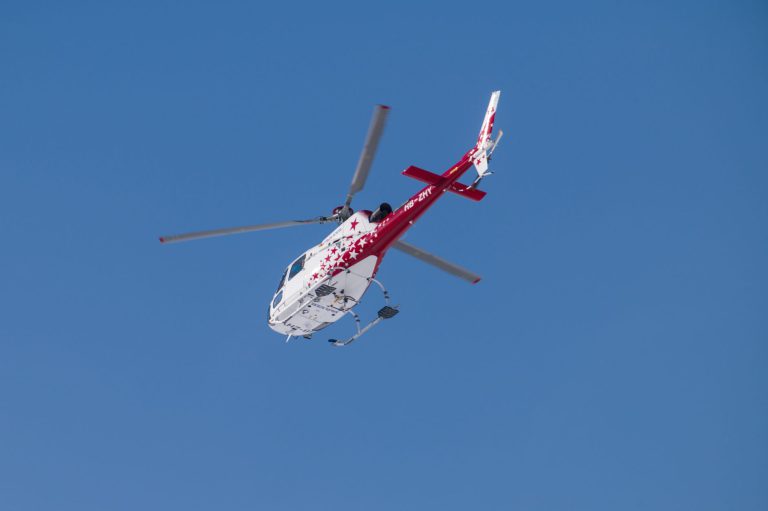
See Everest up close in a single morning: fly from Kathmandu over the Khumbu, land...

Upper Mustang Circuit Trek
-
18 Days
-
Hard
-
4,280 m (14,042 ft)
A full loop of the old Kingdom of Lo: up the west bank via Dhakmar...

Everest Panorama Trek
-
10 Days
-
Medium
-
3,880 m (12,730 ft)
A short, lower-altitude taste of the Khumbu: Namche Bazaar, Tengboche Monastery and the Sherpa village...


