






Tsum Valley Trekking
 6 spring departures left
-
 Tsum Valley, Gorkha, Nepal

Mu Gompa, the valley's largest monastery

Rachen Gompa nunnery and Milarepa's Cave

Restricted valley with few trekkers

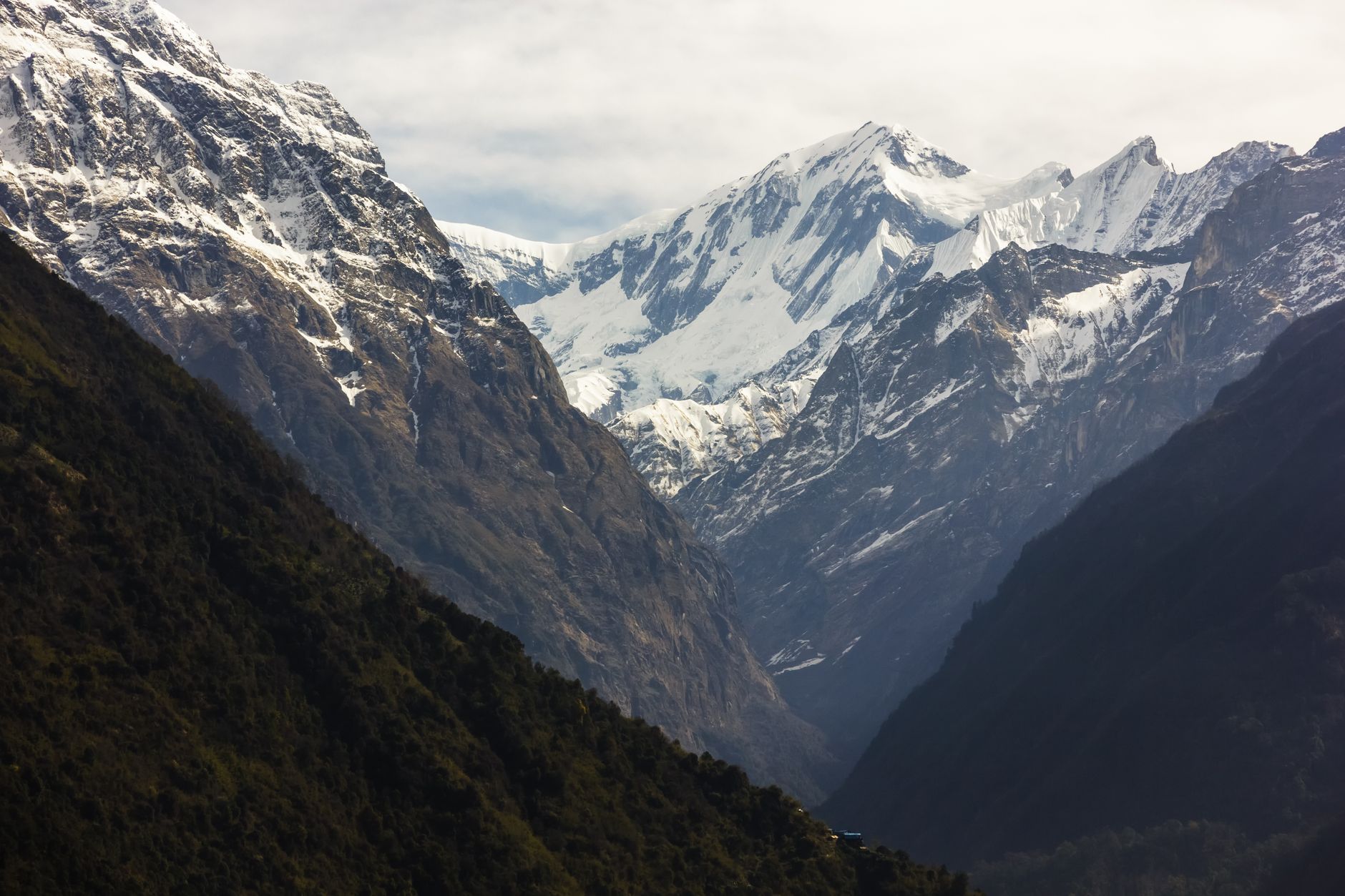
Views of Ganesh Himal and Shringi Himal
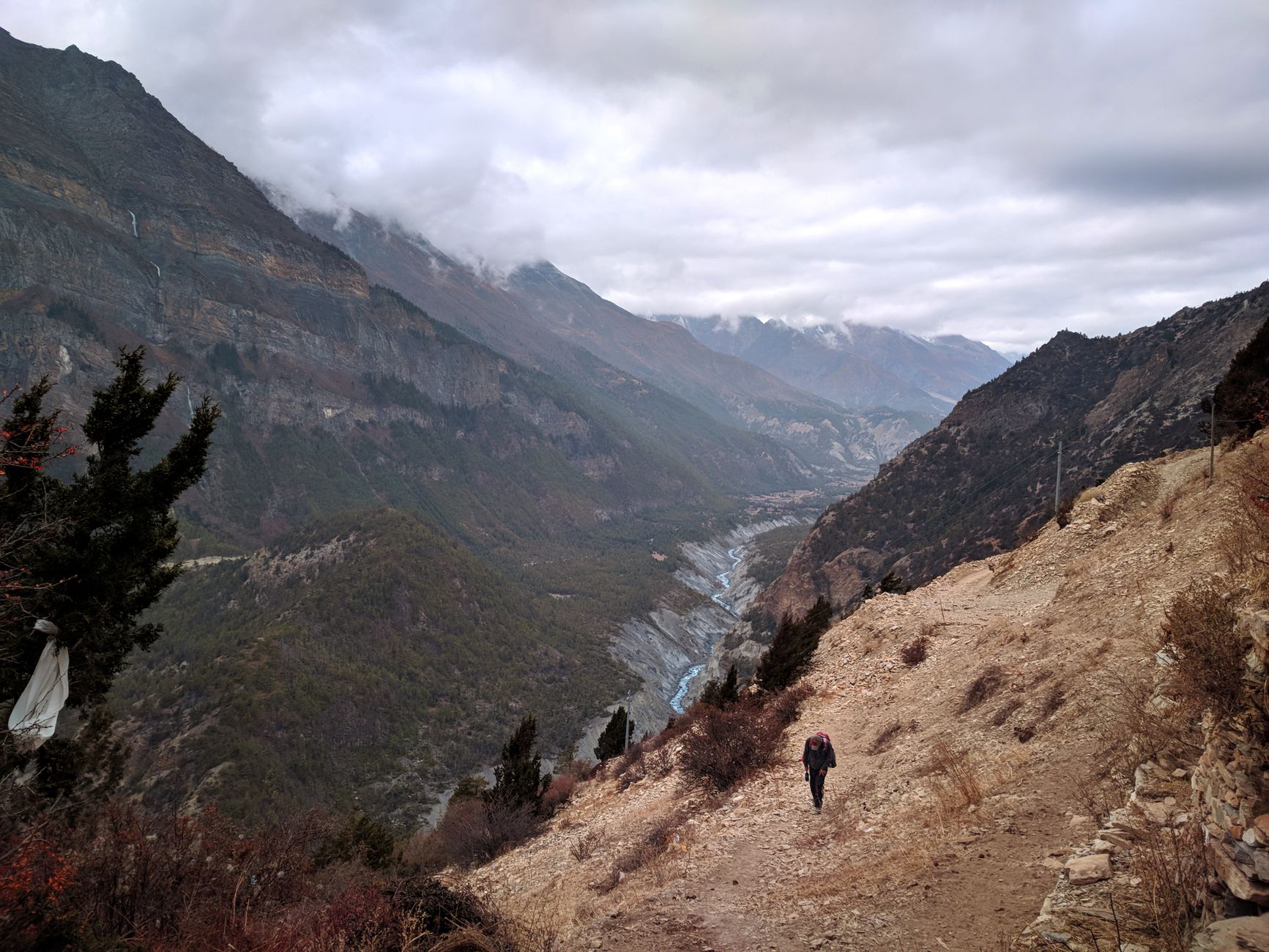
The Tsum Valley is a remote Himalayan valley in the north of Gorkha district, tucked between the Ganesh Himal and Shringi Himal ranges and bordering Tibet. It opened to foreign trekkers only in 2008 and remains a restricted area, so visitor numbers are small and village life continues much as it has for generations.
The people of Tsum, known as Tsumbas, follow Tibetan Buddhism and have their own dialect, dress and customs. The valley is sometimes called the Beyul Kyimolung, a sacred hidden valley, and it is known for its monasteries, long mani walls and a local tradition of non-violence towards animals. Milarepa, the famous Tibetan poet and yogi, is said to have meditated in a cave above the valley.
The trek follows the Budhi Gandaki river from Machha Khola, shared with the Manaslu Circuit, before turning east at Lokpa into the Tsum Valley. From Chumling and Chhokangparo the trail climbs past Rachen Gompa nunnery and Nile to Mu Gompa, the largest monastery in the valley, at about 3,700 m. Views of Ganesh Himal, Shringi Himal and the peaks along the Tibetan border accompany much of the walk.
Our 14-day itinerary returns by the same valley, giving time to visit monasteries and enjoy homestay-style teahouses. It is a moderate trek with no high pass, ideal for walkers interested in culture as much as mountains.
-
 Duration
 14 Days
-
Nights
13 Nights
-
 Difficulty
 Medium
-
 Max.Elevation
 3,700 m (12,139 ft)
-
 Accomodation
 Hotel & Tea house
-
 Meals
Meals Breakfast, Lunch & Dinner during the trek
-
 Group Size
 1 - 12 Travelers
-
 Best Season
 Mar - May, Sep - Nov
-
 Starting Point
 Kathmandu
-
 Ending Point
 Kathmandu
-
 Permit
 Tsum Valley Restricted Area Permit, Manaslu Conservation Area Permit (MCAP)
-
 Trip Type
 Private or Group
The Tsum Valley is a remote Himalayan valley in the north of Gorkha district, tucked between the Ganesh Himal and Shringi Himal ranges and bordering Tibet. It opened to foreign trekkers only in 2008 and remains a restricted area, so visitor numbers are small and village life continues much as it has for generations.
The people of Tsum, known as Tsumbas, follow Tibetan Buddhism and have their own dialect, dress and customs. The valley is sometimes called the Beyul Kyimolung, a sacred hidden valley, and it is known for its monasteries, long mani walls and a local tradition of non-violence towards animals. Milarepa, the famous Tibetan poet and yogi, is said to have meditated in a cave above the valley.
The trek follows the Budhi Gandaki river from Machha Khola, shared with the Manaslu Circuit, before turning east at Lokpa into the Tsum Valley. From Chumling and Chhokangparo the trail climbs past Rachen Gompa nunnery and Nile to Mu Gompa, the largest monastery in the valley, at about 3,700 m. Views of Ganesh Himal, Shringi Himal and the peaks along the Tibetan border accompany much of the walk.
Our 14-day itinerary returns by the same valley, giving time to visit monasteries and enjoy homestay-style teahouses. It is a moderate trek with no high pass, ideal for walkers interested in culture as much as mountains.


Itinerary
A 14-day return trip from Kathmandu, trekking up the Budhi Gandaki and into the Tsum Valley as far as Mu Gompa, then back down the same way to Machha Khola.
Arrival in Kathmandu
-
 Max Altitude
1,400 m
Max Altitude
1,400 m
-
 Accommodation
Hotel
Accommodation
Hotel
- Transfer Airport to hotel, approx. 30 min
Welcome to Nepal. Our team meets you at Tribhuvan International Airport and drives you to your hotel. Later in the day your guide will brief you on the trek, check your gear and collect the passport details needed for the restricted area permit. Take the rest of the day to relax or explore Thamel, where any missing equipment can be bought or rented.
Day highlights
-
 Airport welcome
 -
Trek briefing and permit paperwork
Drive from Kathmandu to Machha Khola
-
Max Altitude
930 m
-
Accommodation
Guesthouse (Basic Lodge/Community Lodge)
-
Meals
Breakfast, Lunch, and Dinner Included
We leave Kathmandu early on the Prithvi Highway, then turn north towards Arughat and Soti Khola. Beyond Arughat the road becomes a rough track following the Budhi Gandaki river upstream through terraced hillsides and small villages. The day ends at Machha Khola, a small riverside village with simple teahouses and the starting point of the walk. Expect a long, bumpy but scenic drive.
Day highlights
-
Drive along the Budhi Gandaki
-
Arrival at the trailhead
Trek from Machha Khola to Jagat
-
Max Altitude
1,340 m
-
Accommodation
Guesthouse (Basic Lodge/Community Lodge)
-
Meals
Breakfast, Lunch, and Dinner Included
The trail follows the Budhi Gandaki through a narrow gorge, climbing and dropping along the river and crossing several suspension bridges. We pass Tatopani, with its small natural hot spring, then Dobhan and Yaru Khola before reaching Jagat, a neat village of stone-paved lanes. Jagat is the entry checkpoint for the restricted area, where your permits are checked. The lower valley is hot, so an early start is best.
Day highlights
-
Tatopani hot spring
-
Restricted area checkpoint at Jagat
Trek from Jagat to Lokpa
-
Max Altitude
2,240 m
-
Accommodation
Guesthouse (Basic Lodge/Community Lodge)
-
Meals
Breakfast, Lunch, and Dinner Included
From Jagat we climb to Salleri and Sirdibas and cross to Philim, a large Gurung village with terraced fields of millet and maize. Beyond Philim the trail splits: the Manaslu Circuit continues north, while we turn east towards the Tsum Valley. After Ekle Bhatti the path climbs through pine forest to Lokpa, the first village of lower Tsum, with views back towards the Budhi Gandaki gorge.
Day highlights
-
Gurung village of Philim
-
Entering the Tsum Valley at Lokpa
Trek from Lokpa to Chumling
-
Max Altitude
2,386 m
-
Accommodation
Guesthouse (Basic Lodge/Community Lodge)
-
Meals
Breakfast, Lunch, and Dinner Included
The trail drops into the gorge of the Siyar Khola and climbs steeply through rhododendron and pine forest, with a few exposed sections above the river. We then reach Chumling, a village of stone houses in lower Tsum. In the afternoon you can visit the old Chumling Gompa and walk through the village, where you will see prayer flags, mani walls and chortens. On clear days there are good views of Shringi Himal.
Day highlights
-
Chumling Gompa
-
Views of Shringi Himal
Trek from Chumling to Chhokangparo
-
Max Altitude
3,031 m
-
Accommodation
Guesthouse (Basic Lodge/Community Lodge)
-
Meals
Breakfast, Lunch, and Dinner Included
We cross a suspension bridge and follow the valley upstream through small villages such as Rainjam and Gho. The climb is steady, and the valley begins to open into upper Tsum. Chhokangparo is made up of two villages, Chhokang and Paro, set on a wide flat stretch of farmland with fine views of Ganesh Himal and Himal Chuli on a clear day. This is the start of the Tibetan-influenced upper valley.
Day highlights
-
Upper Tsum farmland
-
Ganesh Himal views
Trek from Chhokangparo to Nile via Milarepa's Cave
-
Max Altitude
3,361 m
-
Accommodation
Guesthouse (Basic Lodge/Community Lodge)
-
Meals
Breakfast, Lunch, and Dinner Included
Today’s walk passes some of the valley’s most important sacred sites. We visit Milarepa’s Cave (Piren Phu), where the Tibetan saint is believed to have meditated, and pass the village of Lamagaon and Rachen Gompa, a nunnery home to a community of Buddhist nuns. Crossing the Siyar Khola, we continue past long mani walls and chortens to Nile, one of the last villages before the Tibetan border.
Day highlights
-
Milarepa's Cave
-
Rachen Gompa nunnery
Trek from Nile to Mu Gompa
-
Max Altitude
3,700 m
-
Accommodation
Guesthouse (Basic Lodge/Community Lodge)
-
Meals
Breakfast, Lunch, and Dinner Included
A short climb through a stark, dry landscape takes us to Mu Gompa, the largest and one of the oldest monasteries in the Tsum Valley, set at about 3,700 m close to the Tibetan border. Spend the afternoon visiting the monastery, its prayer halls and old texts, and watching the monks at their daily rituals. Visitors can usually stay in the monastery guesthouse. The surrounding ridges offer wide views of the upper valley.
Day highlights
-
Mu Gompa monastery
-
Highest point of the trek
Explore Mu Gompa and trek to Chhokangparo
-
Max Altitude
3,700 m
-
Accommodation
Guesthouse (Basic Lodge/Community Lodge)
-
Meals
Breakfast, Lunch, and Dinner Included
After a morning at Mu Gompa, with an optional short hike above the monastery or a visit to Dhephu Doma Gompa nearby, we begin our return journey. We walk back through Nile and past Rachen Gompa, with time to stop if you missed anything on the way up. The trail then continues down the valley to Chhokangparo for the night. The descent makes the walk feel easier than it looks on paper.
Day highlights
-
Morning at Mu Gompa
-
Return past Rachen Gompa
Trek from Chhokangparo to Chumling
-
Max Altitude
3,031 m
-
Accommodation
Guesthouse (Basic Lodge/Community Lodge)
-
Meals
Breakfast, Lunch, and Dinner Included
We retrace our steps down through Gho and Rainjam to Chumling. This is a shorter day, leaving time to enjoy village life, chat with locals and rest your legs. If you are keen, your guide can arrange a visit to Gumba Lungdang nunnery by an alternative route in place of this relaxed day, subject to time and conditions.
Day highlights
-
Relaxed descent through upper Tsum
-
Village life in Chumling
Trek from Chumling to Philim
-
Max Altitude
2,386 m
-
Accommodation
Guesthouse (Basic Lodge/Community Lodge)
-
Meals
Breakfast, Lunch, and Dinner Included
We descend to the Siyar Khola, climb back to Lokpa and then drop steeply to the Budhi Gandaki valley. Rejoining the main trail near Ekle Bhatti, we walk down to Philim, the Gurung village we passed on the way in. It is a long day with plenty of descent, so trekking poles are helpful. The warmer air and green fields feel very different from the dry upper valley.
Day highlights
-
Leaving the Tsum Valley
-
Back to Philim
Trek from Philim to Machha Khola
-
Max Altitude
1,570 m
-
Accommodation
Guesthouse (Basic Lodge/Community Lodge)
-
Meals
Breakfast, Lunch, and Dinner Included
The final trekking day follows the Budhi Gandaki downstream past Jagat, Yaru Khola and Tatopani, where you can soak tired legs in the hot spring. The trail returns to Machha Khola, where we spend the last night on the trail. Celebrate the end of the trek with your guide and porter over a final dinner together.
Day highlights
-
Tatopani hot spring stop
-
Final evening with the team
Drive from Machha Khola to Kathmandu
-
Max Altitude
1,400 m
-
Accommodation
Hotel
-
Meals
Breakfast Included
After breakfast we drive down the Budhi Gandaki valley to Arughat and on to the Prithvi Highway, arriving in Kathmandu in the evening. It is a long day on the road, with stops for tea and lunch. The evening is free for a celebration dinner or souvenir shopping in Thamel.
Day highlights
-
Return drive to Kathmandu
-
Free evening in Thamel
Departure from Kathmandu
-
Max Altitude
1,400 m
-
Meals
Breakfast Included
- Transfer Hotel to airport, approx. 30 min
Your Tsum Valley journey ends today. Depending on your flight time, you may have a few hours for last-minute shopping or a visit to Boudhanath Stupa, a fitting end after so many monasteries. A member of our team will drive you to Tribhuvan International Airport about three hours before your flight.
Day highlights
-
Free time before your flight
-
Airport drop-off
Maps
Where this trip takes you.
Fixed Departures
Set group departures below. Private dates can be arranged on any day that suits you.
Oct 20 - Nov 2, 2026
-
 Group Joining
 -
 Guaranteed
From $1,390 /Person
Book nowNov 5 - Nov 18, 2026
-
Group Joining
-
Guaranteed
From $1,390 /Person
Book nowNov 20 - Dec 3, 2026
-
Group Joining
-
Guaranteed
From $1,390 /Person
Book nowMar 5 - Mar 18, 2027
-
Group Joining
-
Available
From $1,390 /Person
Book nowMar 20 - Apr 2, 2027
-
Group Joining
-
Available
From $1,390 /Person
Book nowApr 5 - Apr 18, 2027
-
Group Joining
-
Available
From $1,390 /Person
Book nowApr 20 - May 3, 2027
-
Group Joining
-
Available
From $1,390 /Person
Book nowMay 5 - May 18, 2027
-
Group Joining
-
Available
From $1,390 /Person
Book nowMay 20 - Jun 2, 2027
-
Group Joining
-
Available
From $1,390 /Person
Book nowSep 5 - Sep 18, 2027
-
Group Joining
-
Available
From $1,390 /Person
Book nowSep 20 - Oct 3, 2027
-
Group Joining
-
Available
From $1,390 /Person
Book nowAvailability
Join a set group departure, or ask us for a private date that suits you.
Didn’t find a suitable date? Contact us with your dates and preferences.
Inclusions & exclusions
What the trip price covers, and what to budget for separately.
What’s included
- Airport transfers – Pick-up and drop-off at Kathmandu airport
- Kathmandu hotel – 2 nights in a standard hotel with breakfast
- Ground transport – Kathmandu to Machha Khola and back by local jeep or bus
- Trek accommodation – 11 nights in teahouses or monastery guesthouse, twin sharing
- Meals on trek – Breakfast, lunch and dinner during the trek
- Licensed guide – English-speaking trekking guide, with salary, food, lodging and insurance
- Permits – Tsum Valley restricted area permit and MCAP
- First aid – Basic first-aid kit carried by your guide
- Government taxes – All applicable taxes and service charges
Not included
- International flights – Flights to and from Nepal
- Nepal visa – Available on arrival at Kathmandu airport
- Travel insurance – Must cover trekking up to 4,000 m and emergency evacuation
- Porter – Available on request at extra cost
- Private jeep – Upgrade from shared transport at extra cost
- Kathmandu meals – Lunch and dinner in Kathmandu
- Personal expenses – Drinks, snacks, hot showers, Wi-Fi, charging and monastery donations
- Tips – For your guide, porter and driver
Why this trip stands out
-
 The Tsum Valley is a restricted area that only opened to trekkers in 2008, so it sees very few visitors.
 -
Its Tibetan Buddhist culture, monasteries and nunneries are among the best preserved in Nepal.
-
There is no high pass, so the maximum altitude of about 3,700 m keeps the trek moderate.
-
You can visit Milarepa's Cave, Rachen Gompa and Mu Gompa on one route.
-
Staying in local lodges puts money directly into remote mountain communities.
Good to know
Practical information to help you prepare for this trip.

Essential Packing Guide
Pack for warm lower valleys and cold nights in upper Tsum.
- Clothing: Quick-dry layers, fleece, down jacket, waterproof shell, hat and gloves.
- Footwear: Broken-in waterproof hiking boots and camp shoes.
- Gear: Sleeping bag rated to about -10°C, trekking poles, headlamp and daypack.
- Extras: Water purification, sunscreen, snacks and small notes for donations.

Permits
The Tsum Valley Restricted Area Permit can only be issued through a registered trekking agency with a licensed guide. The MCAP is also required. We need a scan of your passport and visa, and you must carry the originals on the trek.

Altitude & Acclimatisation
The highest overnight stop is Mu Gompa at around 3,700 m. The ascent is gradual, but mild altitude symptoms are still possible. Drink plenty of water, walk slowly and tell your guide about any headache or nausea.

Accommodation and Meals
Lodges are simple and family-run, and menus are limited: dal bhat, noodles, potatoes, Tibetan bread and tsampa are common. Vegetarian meals are the norm in upper Tsum.

Travel Insurance
Insurance covering trekking up to 4,000 m, medical treatment and helicopter evacuation is required. Please send us your policy details before departure.
FAQs
Answers to the questions travellers ask us most about this trip.
Which permits are needed?
You need the Tsum Valley Restricted Area Permit and the Manaslu Conservation Area Permit (NPR 3,000). The restricted area permit costs about USD 40 for the first week from September to November and about USD 30 from December to August, with a daily fee for extra days. Our team arranges both, and they are included in the price.
Can I do the trek solo?
A licensed guide from a registered agency is always required in the Tsum Valley. Until 2026, restricted area permits needed at least two foreign trekkers. Reports from March 2026 say that minimum has been removed, so solo travellers may now be able to join with a private guide. We confirm the current rule when applying for your permit.
What is special about Mu Gompa?
Mu Gompa is the largest monastery in the Tsum Valley and sits at around 3,700 m near the Tibetan border. It is home to a community of monks and has old prayer halls and scriptures. Visitors can usually stay in its simple guesthouse.
What is the accommodation like?
Lodges in Tsum are small and basic, often family homes with a few rooms, shared toilets and limited hot water. The experience feels closer to a homestay than a commercial teahouse, which is part of the charm.
Is it possible to combine the Tsum Valley with the Manaslu Circuit?
Yes. The two routes share the trail as far as Philim, so many trekkers combine them in a longer trip of around three weeks. This requires additional permits. Ask our team for a custom itinerary.
When is the best time to visit?
Spring (March to May) and autumn (September to November) are best, with stable weather and clear views. Winter is cold in the upper valley, and the monsoon brings rain and landslide risk on the lower trail.
Are there customs I should respect?
Yes. Walk clockwise around chortens and mani walls, ask before photographing people or monastery interiors, dress modestly and remove shoes where requested. The Tsumbas have a tradition of not killing animals, so meat is rarely served in the upper valley.
Traveller reviews
Read what travellers say about this trip, or share your own experience.
Plan your journey
Price Starts From
$1,390
$1,540
-
 PAX
COST PER PERSON
PAX
COST PER PERSON
- 1 - 1 Traveler $1,390
- 2 - 5 Travelers $1,220
- 6 - 12 Travelers $1,100
**Discounts are solely based on your group size. We do not add anyone to your group.
-
Reserve now and pay later
-
Experienced & Knowledgeable Guides
-
Personalized & Customer-centric Service
-
Sustainable & Environmental Responsibility


Bishal plans these departures and usually replies within four hours.
 Free cancellation up to 21 days before departure
Let’s Plan Your Himalayan Journey
Whether it’s a trek, tour, or custom adventure, we’re here to help you plan the perfect experience in Nepal.ss


Send us an Inquiry
Tell us about your dream trip and we’ll get back to you within 24 hours.

Explore more packages
Carefully designed trekking itineraries led by experienced local guides, from beginner-friendly hikes to legendary Himalayan expeditions.
Explore all treks
Mera Peak Climbing
-
17 Days
-
Hard
-
6,476 m (21,247 ft)
Climb Mera Peak (6,476 m), Nepal's highest trekking peak, via the remote Hinku valley and...

Upper Mustang Circuit Trek
-
18 Days
-
Hard
-
4,280 m (14,042 ft)
A full loop of the old Kingdom of Lo: up the west bank via Dhakmar...

Everest Panorama Trek
-
10 Days
-
Medium
-
3,880 m (12,730 ft)
A short, lower-altitude taste of the Khumbu: Namche Bazaar, Tengboche Monastery and the Sherpa village...
Everest Three High Pass Trek
-
19 Days
-
Hard
-
5,545 m (18,192 ft)
The ultimate Khumbu circuit: cross Kongma La, Cho La and Renjo La, visit Everest Base...


