




Peak Climbing
Non-technical trekking peaks above 6,000 m, climbed with fixed ropes, crampons and experienced climbing guides.
-
 4.9 (486 reviews)
-
 NMA-permitted climbs
-
 Climbing guides

Overview & highlights

Trip Length
7 - 21 Days

Group Size
Solo Trek
Group: 2 -12 trekkers

Altitude
3,210m – 5,545m

Difficulty
Moderate - Extreme

Best Time
March – May
September – November
Nepal’s “trekking peaks” are mountains between roughly 5,500m and 6,500m that the Nepal Mountaineering Association (NMA) permits for climbing with simpler rules than the big expedition peaks. The word “trekking” is misleading: summit days start around 2am, involve glacier travel roped to your guide, and use crampons, ice axe and sometimes fixed lines.
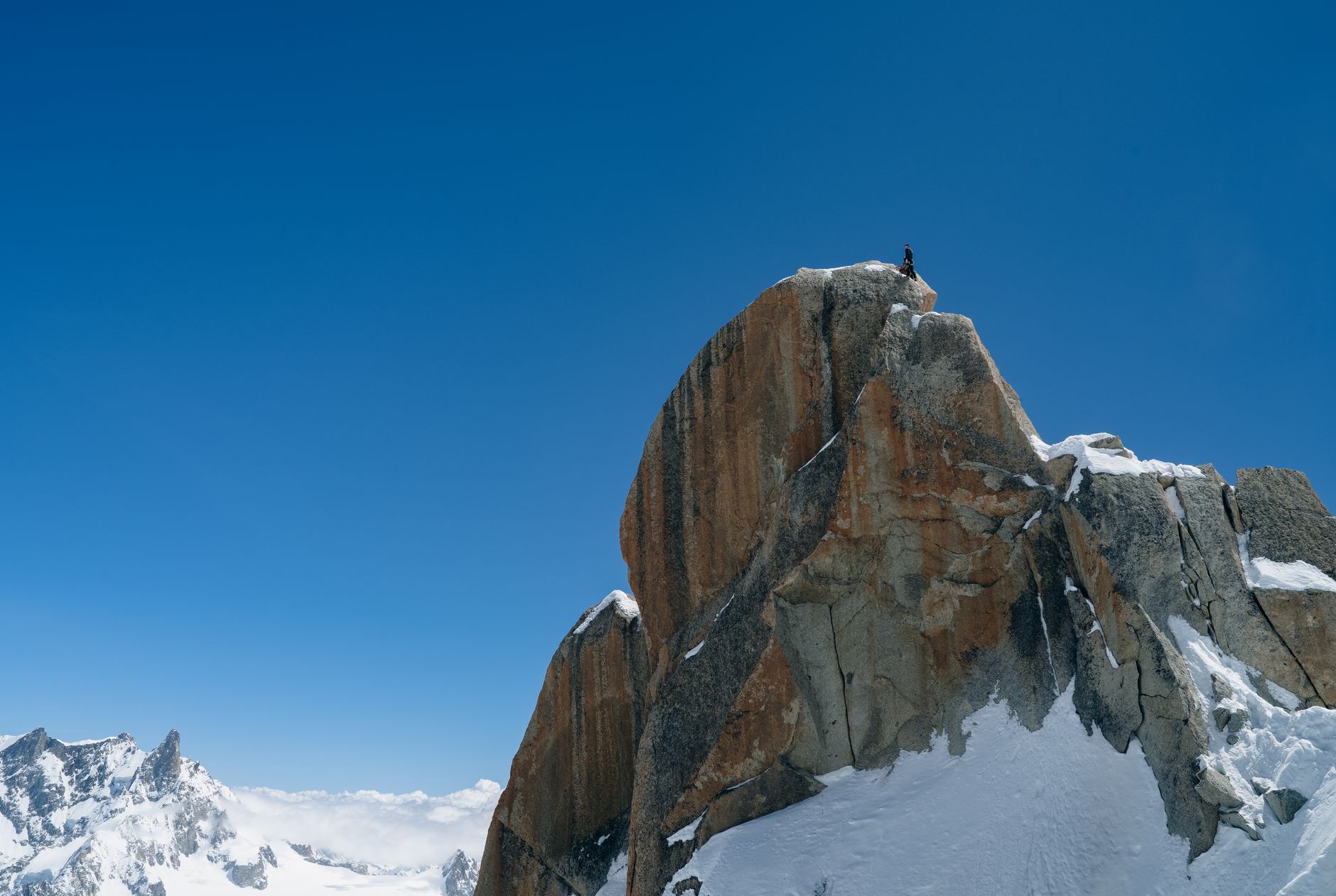
Mera Peak is our flagship climb. You fly to Lukla, cross the Zatrwa La into the Hinku Valley, and acclimatise through Kothe and Khare before moving up to high camp at about 5,780m. The final glacier slope is long but not steep, which is why Mera is often the first 6,000m peak people attempt.
Success depends far more on acclimatisation and weather than on technical skill. Our itineraries include spare days, and your climbing guide will turn the group around if conditions or your health say so. Most climbers spend a couple of days in Kathmandu beforehand for gear checks, rentals and a full briefing.
- Standing on a 6,476m summit with Everest, Makalu and Kangchenjunga in view
- Glacier skills training with your climbing guide before the summit push
- The remote Hinku Valley, far from the busy Everest trail
- A night at high camp on the Mera glacier

The Everest Region
The Khumbu and the neighbouring Hinku Valley hold Nepal’s best-known trekking peaks. Mera Peak rises at the head of the Hinku, a wild valley east of Lukla, and its summit at 6,476m looks out across five of the world’s six highest mountains: Everest, Lhotse, Makalu, Cho Oyu and Kangchenjunga. The approach over the Zatrwa La builds acclimatisation naturally before you ever put on crampons.
Mera Peak summit
Views of five 8,000m peaks from the top.

GLACIER APPROACHES

SHERPA HIGHLANDS

ALPINE HIGH CAMPS

SIX-THOUSANDER SUMMIT


Where to go
A high trek is the best preparation for a peak. Treks in these regions take you above 5,000m on walking trails, so you learn how your body handles altitude before you add a summit day.
All regions

Safety & Certification
Climbs run under Nepal Mountaineering Association rules, with qualified climbing guides, carefully chosen ratios and a conservative turnaround policy.

NMA permit & rules
Every climb is registered with the Nepal Mountaineering Association, including the permit and refundable garbage deposit.

Qualified climbing guides
Summit days are led by experienced climbing guides, with a ratio of no more than two climbers per guide on the glacier.

Forecast-driven summit days
We use mountain weather forecasts to choose summit windows and set a fixed turnaround time before leaving high camp.

Oxygen & rescue backup
Groups carry emergency oxygen and a satellite messenger, and evacuation insurance is checked before you fly to Lukla.
Requirements & Eligibility
You do not need prior mountaineering experience for Mera Peak, but you do need excellent fitness and some time above 4,000m.

Health & fitness
- Able to walk 7–9 hours at altitude, then do a 10–12 hour summit day
- Three months of endurance and leg-strength training beforehand
- A medical check-up and declaration of any heart or lung conditions

Permits & documents
- NMA climbing permit, issued only through a registered agency with a licensed climbing guide
- National park and local area permits for the Hinku and Khumbu, arranged by us
- Insurance explicitly covering climbing and helicopter rescue to 6,500m

Altitude Readiness
- Previous trekking above 4,000m strongly recommended
- Itinerary includes acclimatisation days at Khare and spare summit days
- Discuss acetazolamide (Diamox) with your doctor before travel

What to wear & bring
- Insulated double mountaineering boots compatible with crampons
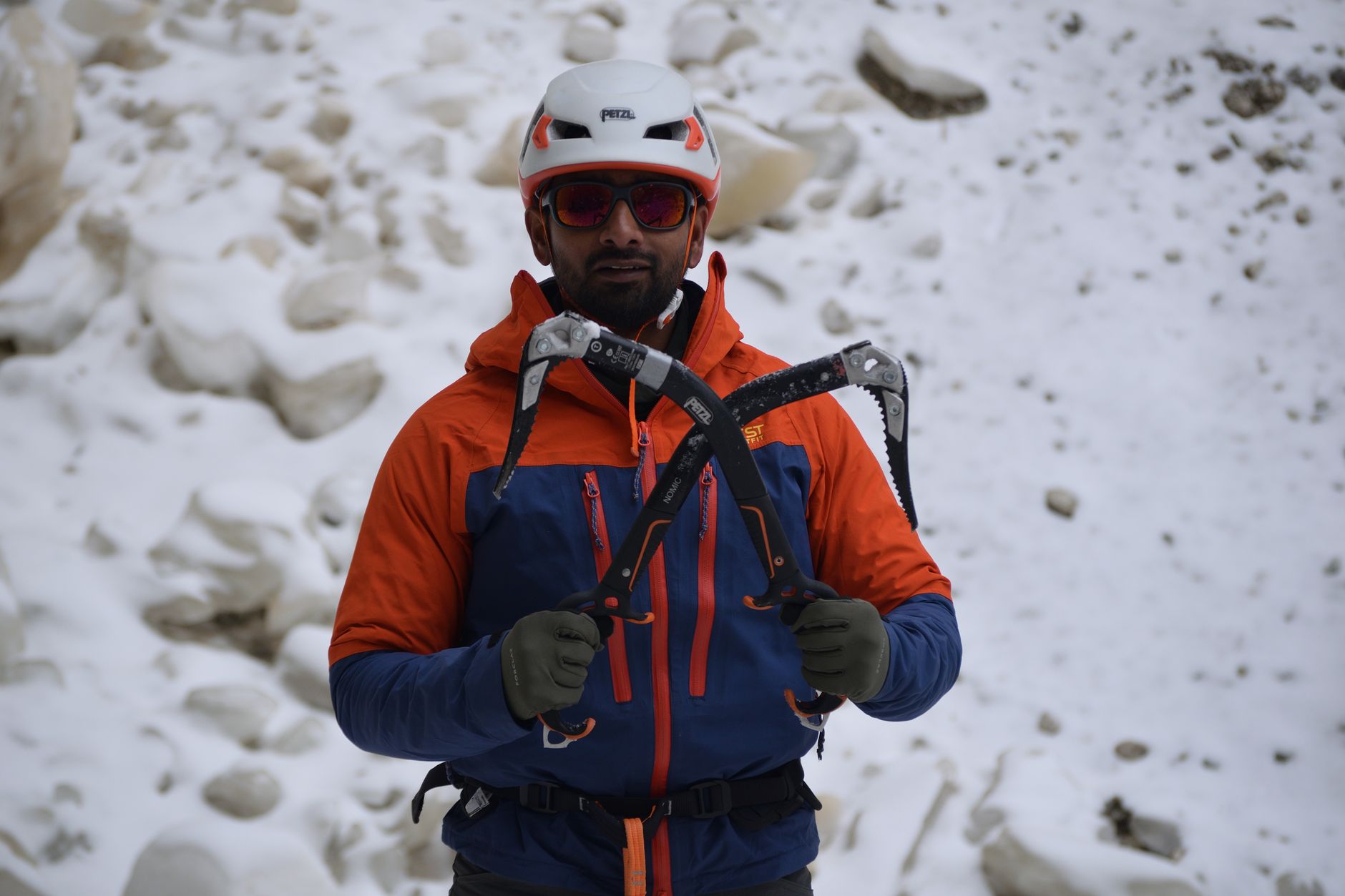
- Harness, crampons, ice axe and helmet (rental available in Kathmandu)
- Expedition down jacket, mitts and a sleeping bag rated to -25°C

Unsure whether you are ready? Send us your trekking history. We would rather suggest a high trek first than see you turn around below the summit.
Ready for your first Himalayan summit?
Tell us your climbing experience and we will recommend the right peak, acclimatisation plan and kit.
Activities Beyond the Mountains
From serene takes to thrilling adventures, explore the best experiences Pokhara has to offer for every kind of travelers.
All activities

Trekking & Hiking
Eight of the world's fourteen 8,000m peaks, teahouse trails you can walk without technical skills,...
View details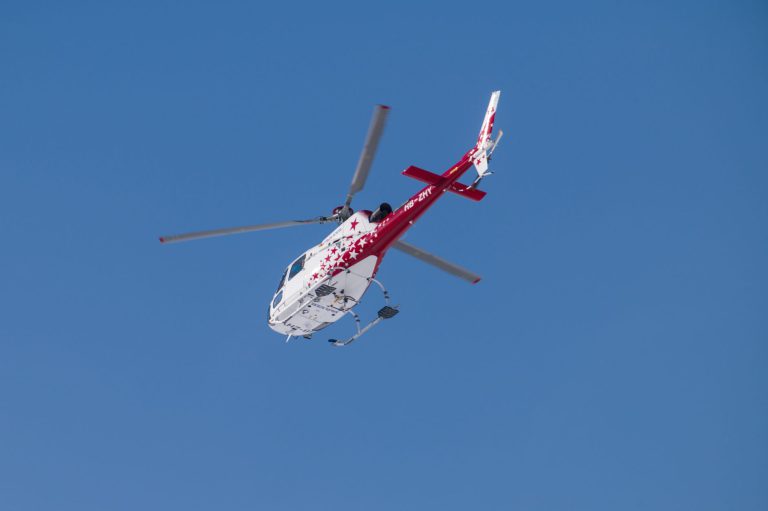

Helicopter Tours
See Everest and the Khumbu glaciers up close in a single morning by helicopter from...
View details
Adventure & Thrills
Soar above Phewa Lake with sweeping views of Pokhara, lush hills, and the Annapurna range....
View details
Frequently asked questions
What we are asked most about climbing Mera Peak and other trekking peaks.
Ask our teamWhat is a trekking peak?
What is the summit success rate?
Is Mera Peak harder than Island Peak?
Can I hire climbing gear in Nepal?
What happens if the weather is bad on summit day?
What Our Travelers Say
Discover what our guests have to say about their time in Pokhara Nepal, from seamless adventures to meaningful moments along the way.
Review us on GOOGLE


