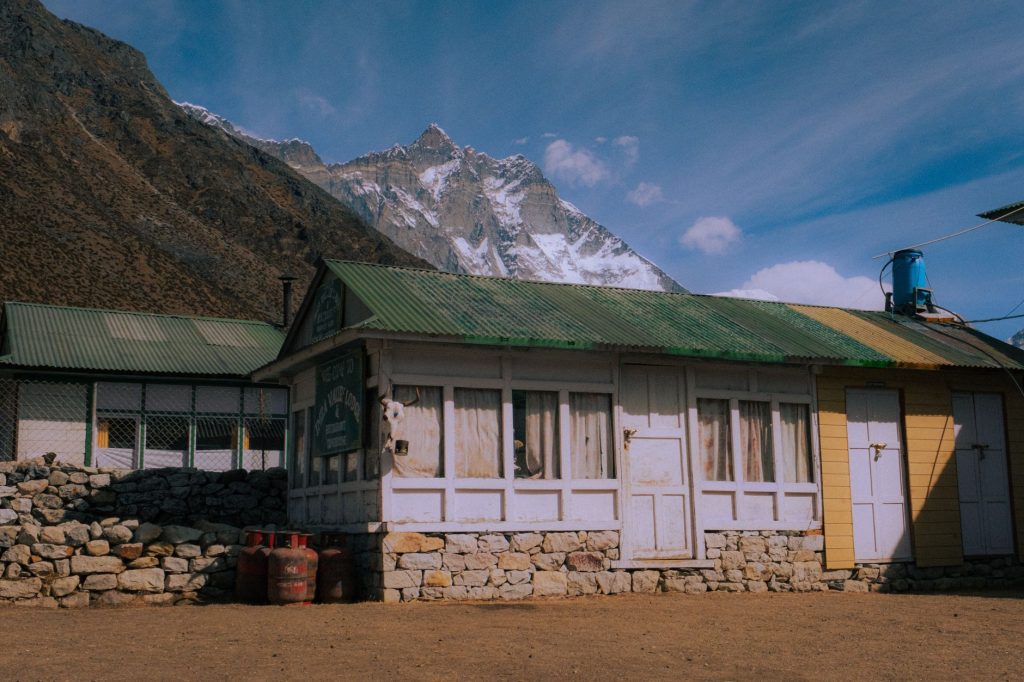
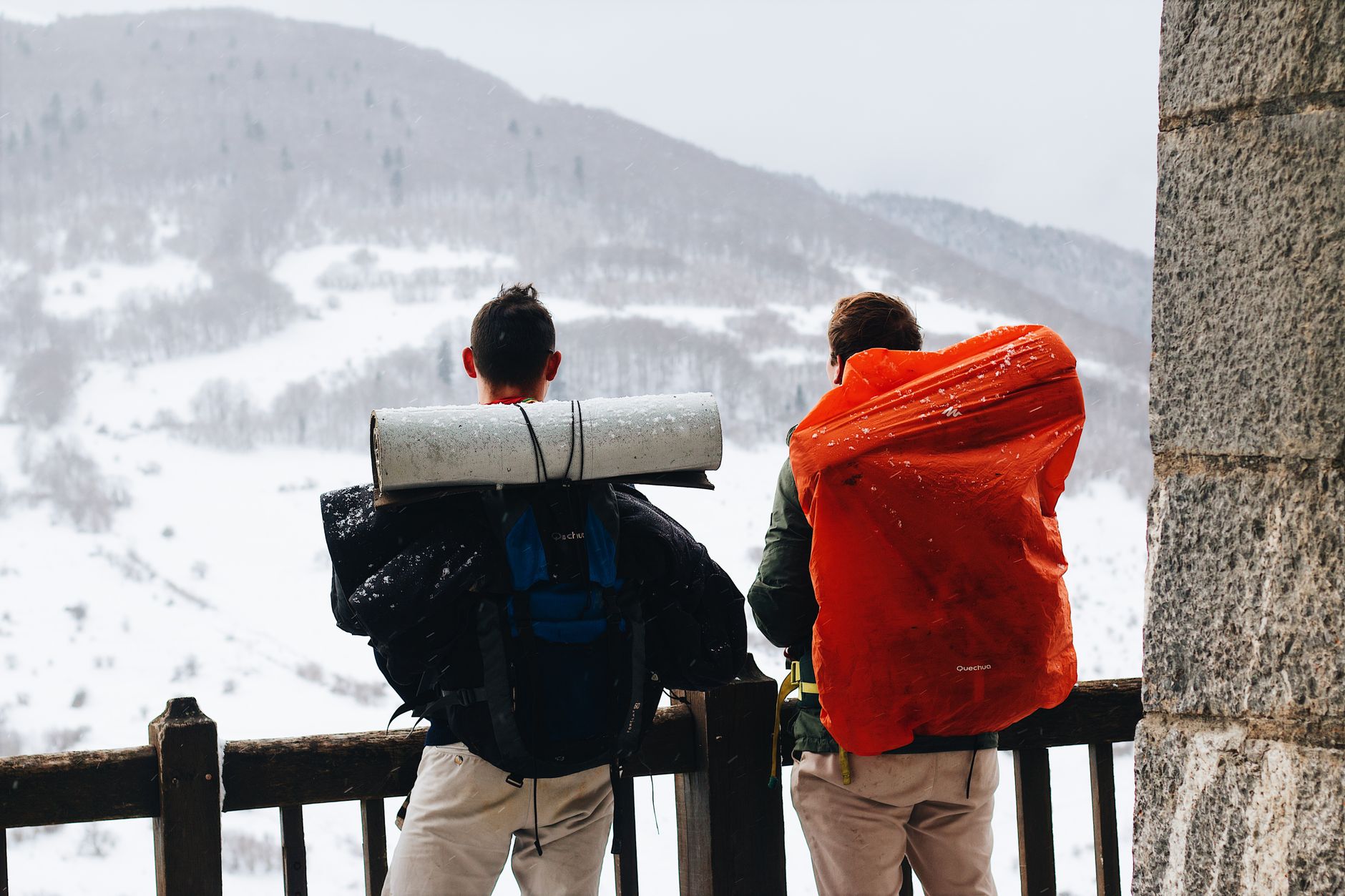


Overpacking is the most common mistake we see. On a teahouse trek you do not need a tent, stove or a week of food, and every unnecessary kilogram is one more for your porter or your own shoulders. The goal is a well-chosen set of layers that keeps you warm at 5,000 metres and comfortable at 1,000.
This list is built for teahouse treks such as Annapurna Base Camp or Everest Base Camp in the main seasons. Adjust it for winter or monsoon, and ask us if you are unsure.
Packing principles
- Porters typically carry a combined load for two trekkers, so most operators ask you to keep your duffel to around 10–12 kg.
- Your daypack, with water, snacks, warm layer and rain jacket, should be 5–7 kg.
- Leave a bag of city clothes at your hotel in Kathmandu or Pokhara; most hotels store luggage for free.
- Pack in layers, not bulk. Three thin layers are warmer and more versatile than one thick jacket.
Use a soft duffel bag rather than a rigid suitcase for the porter’s load; it is easier to carry and fits on pack animals and in small aircraft. Remember that small domestic aircraft, including flights to Lukla, have strict baggage allowances, often around 15 kg including hand luggage.
The perfect trekking bag feels slightly too light when you pack it. By day five, you will be glad you left that second pair of jeans behind.
Clothing: the layering system
Mountain weather changes quickly. Mornings at altitude can be well below freezing, while midday sun in a sheltered valley can feel like summer. A layering system lets you adjust as you walk.
- Base layers: two or three moisture-wicking tops (merino or synthetic) and one pair of thermal leggings.
- Mid layer: a fleece or lightweight synthetic insulated jacket.
- Insulation: a warm down jacket for evenings and high-altitude mornings.
- Shell: a waterproof, breathable jacket and overtrousers.
- Trekking trousers: two pairs, quick-drying; zip-off legs are handy.
- Extremities: warm hat, sun hat or cap, buff, light gloves and insulated gloves.
- Underwear and socks: breathable underwear and three or four pairs of trekking socks.
Avoid cotton for anything you walk in. It holds sweat, dries slowly and leaves you cold as soon as you stop. Merino wool is warm, comfortable and resists odour, which matters when laundry facilities are limited; synthetic fabrics are cheaper and dry even faster.
Footwear and sleeping gear
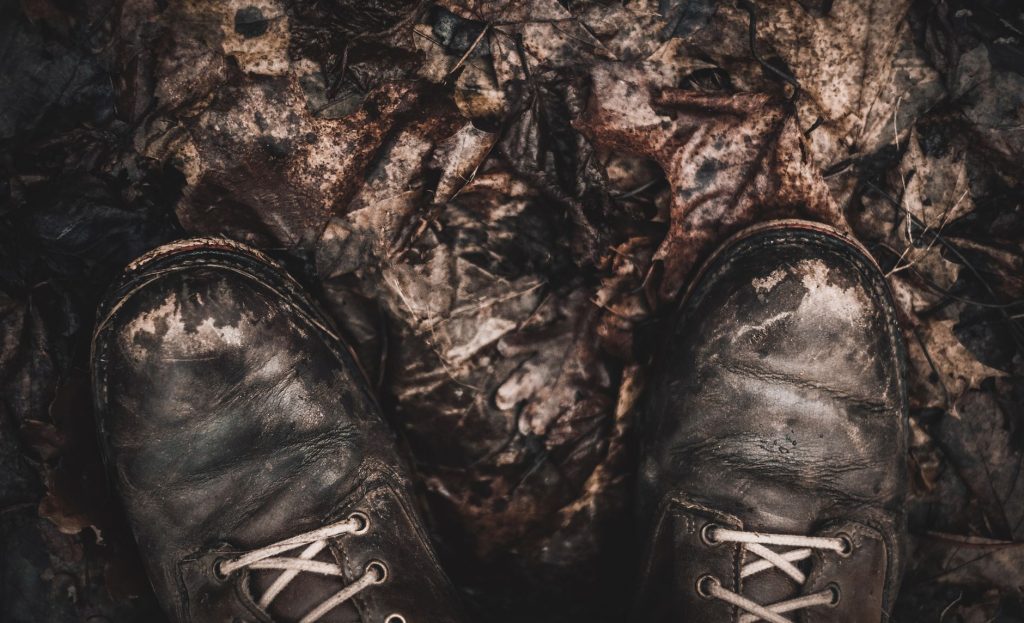
Your boots are the most important piece of kit you bring. Choose waterproof, ankle-supporting trekking boots and break them in thoroughly before you leave; new boots are the leading cause of blisters on the trail. Bring lightweight trainers or sandals for the evenings at lodges.
A sleeping bag is essential. Teahouse blankets are not enough at higher altitudes, especially in spring and autumn nights. A bag rated to around minus 10 to minus 15°C is right for routes such as Everest Base Camp; lower routes need less. A thin liner adds warmth and keeps your bag clean.
Gaiters are useful in snow or on muddy monsoon trails but are not essential in the main seasons. If your feet are prone to blisters, bring a pair of liner socks and treat hot spots as soon as you feel them, not at the end of the day.
Equipment and accessories
- A 25–35 litre daypack with a rain cover
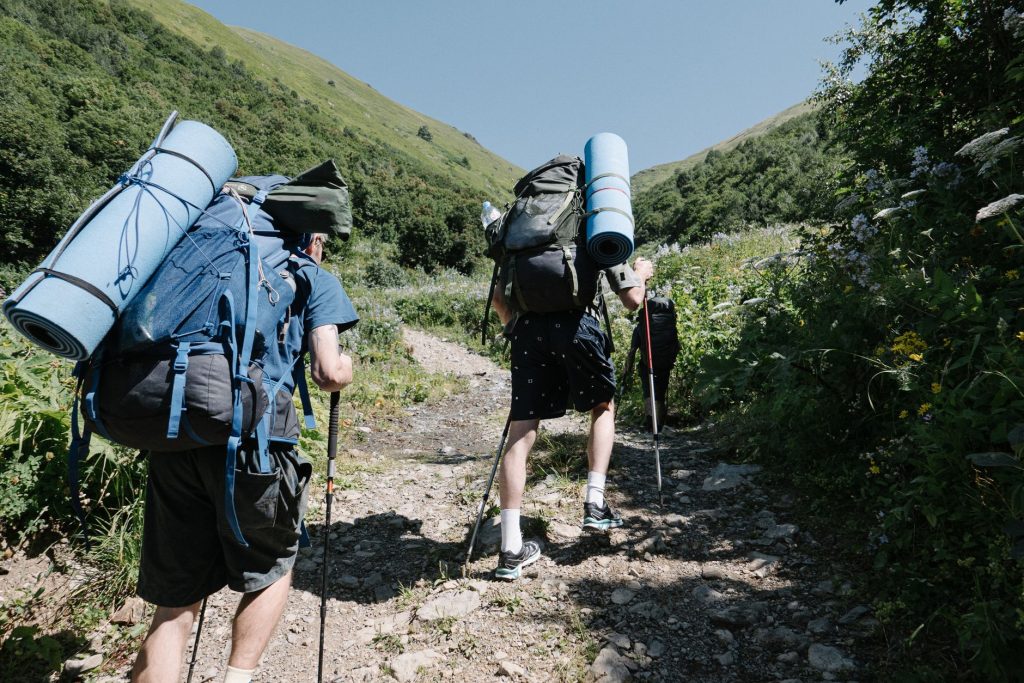
- Trekking poles, especially for long descents on stone staircases
- Headtorch with spare batteries
- Water bottles or a hydration bladder (two litres minimum) and a purification method
- Sunglasses with good UV protection, high-SPF sunscreen and lip balm
- Quick-dry towel, toiletries, wet wipes and hand sanitiser
- Power bank, charging cables and a universal adaptor
- Dry bags or stuff sacks to keep clothes organised and waterproof

Rent or buy in Nepal: Down jackets and sleeping bags can be rented cheaply in Thamel and Lakeside, and good-quality gear shops sell genuine branded kit alongside local copies. Bring your own boots, socks and base layers, and rent the bulky items locally if you prefer.
Trekking poles deserve a special mention. On stone-stair routes such as Annapurna Base Camp and Poon Hill, they take a significant share of the load off your knees on the descents. Collapsible poles fit in a duffel and can also be bought cheaply in Pokhara or Kathmandu.
Health, documents and personal items
Your guide carries a group first-aid kit, but you should bring a small personal kit for everyday needs. Pharmacies in Kathmandu and Pokhara are well stocked, but it is easier to bring familiar brands from home.
- Personal medicines and any prescription medicines, including altitude medicine if your doctor has recommended it
- Blister plasters, painkillers, rehydration salts and anti-diarrhoea tablets
- Passport, visa, insurance details and permit copies in a waterproof pouch
- Enough Nepali rupees in cash for extras on the trail
- Earplugs, a book or downloaded entertainment for evenings
Electronics deserve a little thought. Cold drains batteries quickly, so keep your phone and power bank in your sleeping bag at night. Download offline maps and entertainment before you leave the city, as Wi-Fi on the trail can be slow and costs extra.
Not sure what to expect when you arrive at a lodge? Read our guide to teahouse trekking. If you are trekking above 4,000 metres, our altitude sickness guide explains what to include in your medical kit. And when you are ready, explore our trekking and hiking trips.
A few comforts are worth their weight: a small pillowcase to stuff with a fleece, a lightweight pair of down booties for cold evenings, and a stash of favourite snacks from home for the hardest day of the trek.
Seasonal adjustments
- Winter: warmer sleeping bag, heavier gloves, microspikes for icy trails at altitude.
- Monsoon: extra dry bags, leech socks, an umbrella and quick-dry clothes.
- Spring: lighter layers for the warm lower valleys and stronger sun protection.
- Autumn: the standard list above, with a warm hat and gloves for frosty mornings at altitude.
Before you leave home, lay everything out, check it against this list and then remove anything you are unsure about. Your knees, and your porter, will thank you.