

Teahouse trekking is what makes Nepal unique. Instead of carrying tents, stoves and food, you walk from village to village and stay in family-run lodges, eating hot meals and sleeping indoors every night. It means you can walk for two weeks with a daypack and still reach the foot of Everest.
If you have never done it before, the reality can be both simpler and more charming than you expect. Here is what daily life on a teahouse trek actually looks like.
What a teahouse actually is
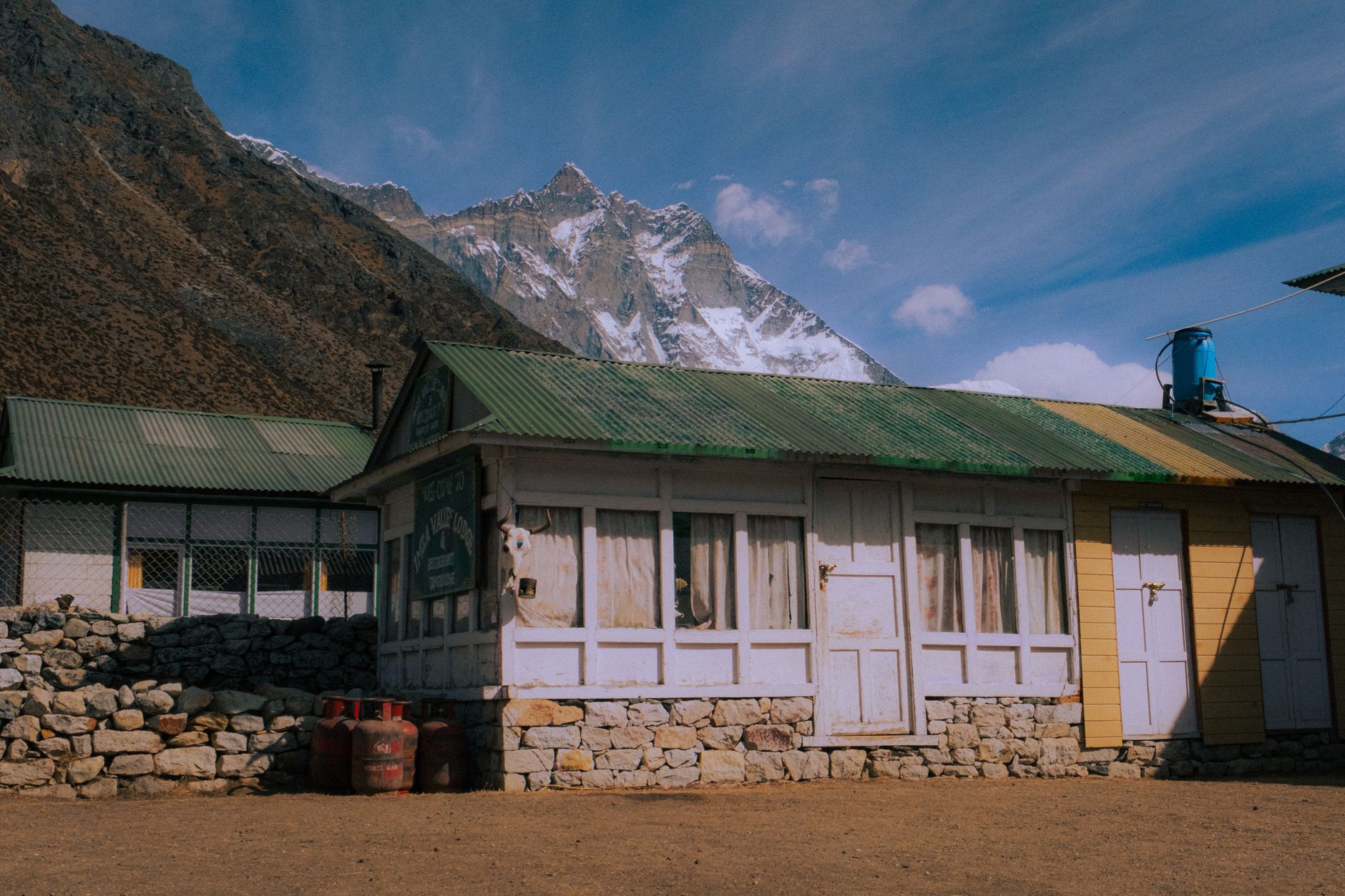
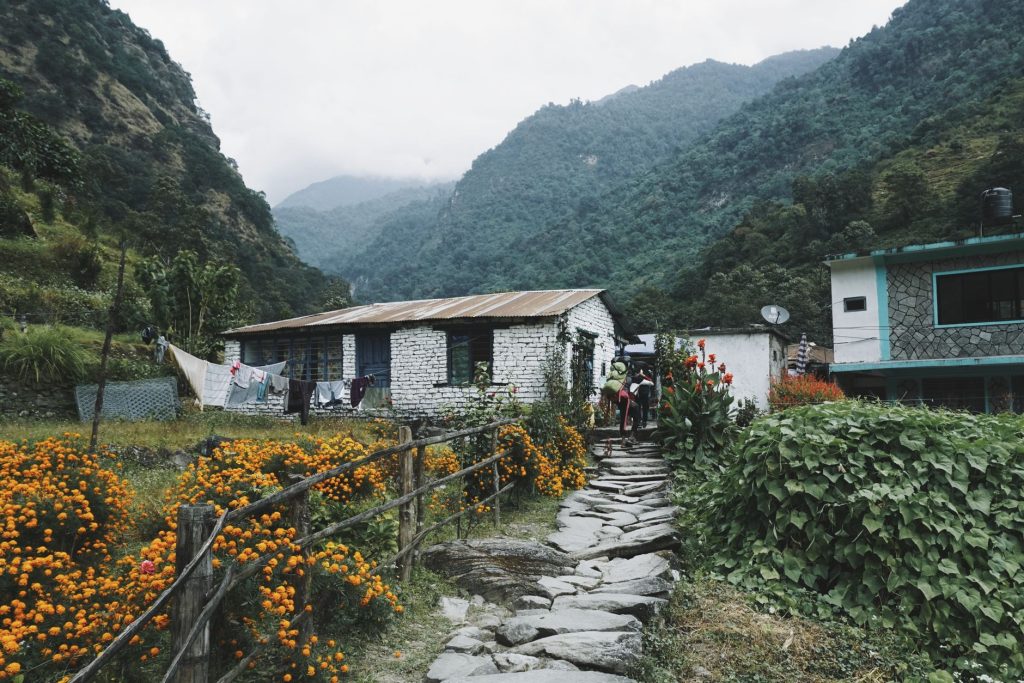
A teahouse, or trekking lodge, is a small guesthouse built for walkers. In lower villages it may be a family home with a few extra rooms; in busier places such as Namche Bazaar or Ghorepani it can be a two- or three-storey lodge with dozens of beds. Almost all are run by local families, and the money you spend stays in the mountains.
Every teahouse has a communal dining room, usually the only heated space in the building. In the evening a stove is lit in the middle of the room, often burning wood lower down or dried yak dung in the Khumbu, and everyone gathers round. It is where you eat, play cards, dry your socks and plan the next day with your guide.
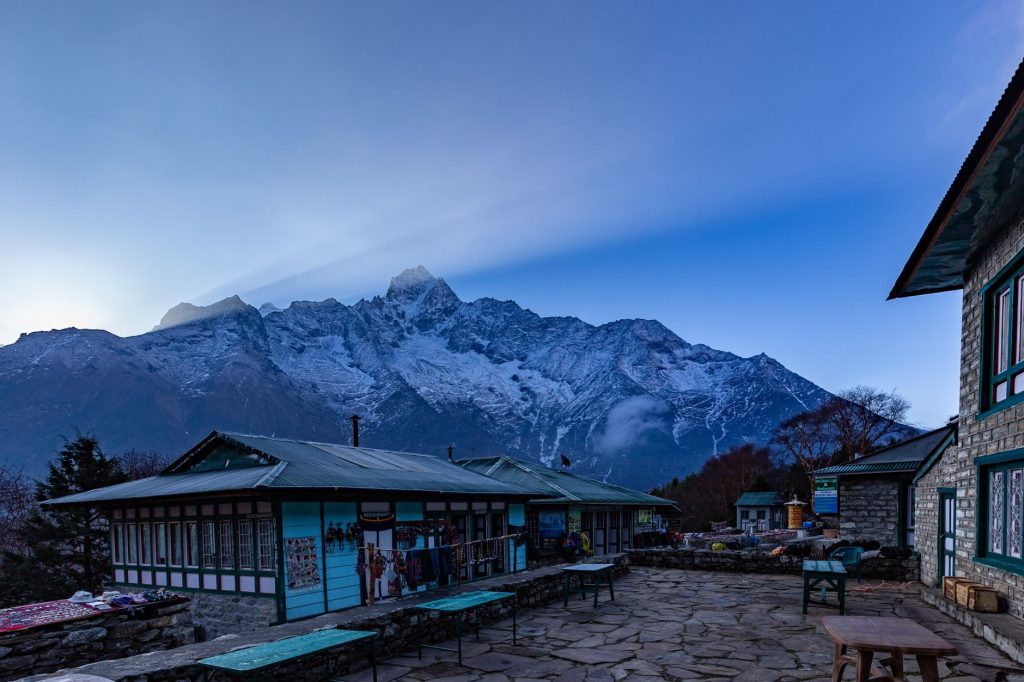
Standards vary by route. The Everest and Annapurna trails have the most developed lodges, some with bakeries, solar-heated showers and even attached bathrooms. Quieter routes such as Manaslu or Tsum Valley are simpler, with fewer menu options and more basic rooms, but often a warmer welcome for the same reason.
The best part of a teahouse trek is rarely the bed. It is the dining room at dusk: a warm stove, a pot of tea and stories swapped with people from every corner of the world.
Rooms and sleeping
Rooms are simple and usually twin-share: two single beds with foam mattresses, a pillow and a blanket. Walls are thin and rooms are unheated. On popular lower routes some lodges now offer attached bathrooms, but as you climb, facilities become more basic.
- Bring your own sleeping bag; lodge blankets are useful as an extra layer but not enough on their own higher up.
- Expect shared toilets on most routes, either sit-down or squat. Carry your own toilet paper.
- Earplugs and an eye mask help with thin walls and early risers.
- In peak season, your guide will book or reserve rooms ahead on the busiest stretches.
Room rates on the main trekking routes are modest because lodges earn most of their income from meals. On most guided trips, rooms and main meals are included in the price, so you only pay for extras such as drinks, snacks and showers.
Food on the trail
Menus are surprisingly long: pasta, pizza, fried rice, noodle soups, pancakes, porridge and potatoes in every form. But the trekker’s staple is dal bhat, lentil curry with rice and vegetable sides, usually with free refills. It is fresh, filling and cooked to order.
Lodges expect you to eat dinner and breakfast where you sleep. Room rates are kept low on that understanding, and it is considered poor form to sleep in one lodge and eat in another. Prices rise with altitude, because everything above the road head arrives by porter or pack animal.
- Vegetarian food is the safest choice at altitude; meat is often carried up for days.
- Garlic soup and ginger lemon honey tea are trail favourites.
- Avoid alcohol while gaining height; it affects acclimatisation.
- Carry a few snack bars for long days between villages.
If you have dietary needs, tell your guide on the first day. Vegetarian and vegan meals are easy, as dal bhat is naturally plant-based; gluten-free and severe allergies need more care, so bring some safe snacks and a card explaining your requirements in Nepali. Lodge kitchens are small, and cross-contamination is hard to avoid completely.
Water, showers, charging and Wi-Fi
Tap water is not safe to drink untreated. Rather than buying plastic bottles, carry purification tablets, a filter or a UV pen, or refill from the safe-drinking-water stations found in many villages on the Annapurna and Everest routes. Boiled water is also available from lodges for a small charge.
Hot showers are available in most lodges, either solar or gas-heated, usually for an extra fee and not always reliably hot. Higher up, many trekkers settle for a bucket of warm water or a wash with wet wipes.
Device charging and Wi-Fi are widely available but usually charged by the hour or by the device, with prices rising as you climb. On the Everest route, prepaid Wi-Fi cards cover many lodges. Mobile data works in many villages on both routes, though coverage is patchy in the high valleys.
Etiquette and a typical day
Your guide is your link to every lodge. They know the owners, order meals, sort rooms and translate, and on most routes they will eat and sleep in the same teahouse. Porters carry the bags and walk at their own pace, usually arriving before you.
A typical day starts with tea around 6:30, breakfast at 7 and walking by 8. You walk for five to seven hours with a lunch stop, arrive mid-afternoon, wash, rest and gather in the dining room for dinner around 6:30. Most trekkers are asleep by 9.
- Order dinner and breakfast early so the kitchen can plan.
- Keep noise down in the evenings; walls are thin.
- Dress modestly in villages and ask before photographing people.
- Carry your rubbish out, including batteries and plastic.
- Say “namaste” and remove your boots before entering rooms and dining areas.
It is also worth remembering that you are a guest in someone’s home and business. Lodge families often work from before dawn until late, and a little patience when the kitchen is busy goes a long way.
Teahouse routes such as the Ghorepani–Ghandruk Trek and Mardi Himal Trek from Pokhara are excellent first experiences. For what to put in your bag, read our Nepal trek packing list.