

Pashupatinath is one of the most important Shiva temples in the Hindu world, drawing pilgrims from across Nepal and India. Worship here goes back many centuries; the present pagoda-style temple, with its gilded roof and silver doors, dates largely from the late 17th century. The complex is one of the seven monument zones of the Kathmandu Valley UNESCO World Heritage Site.
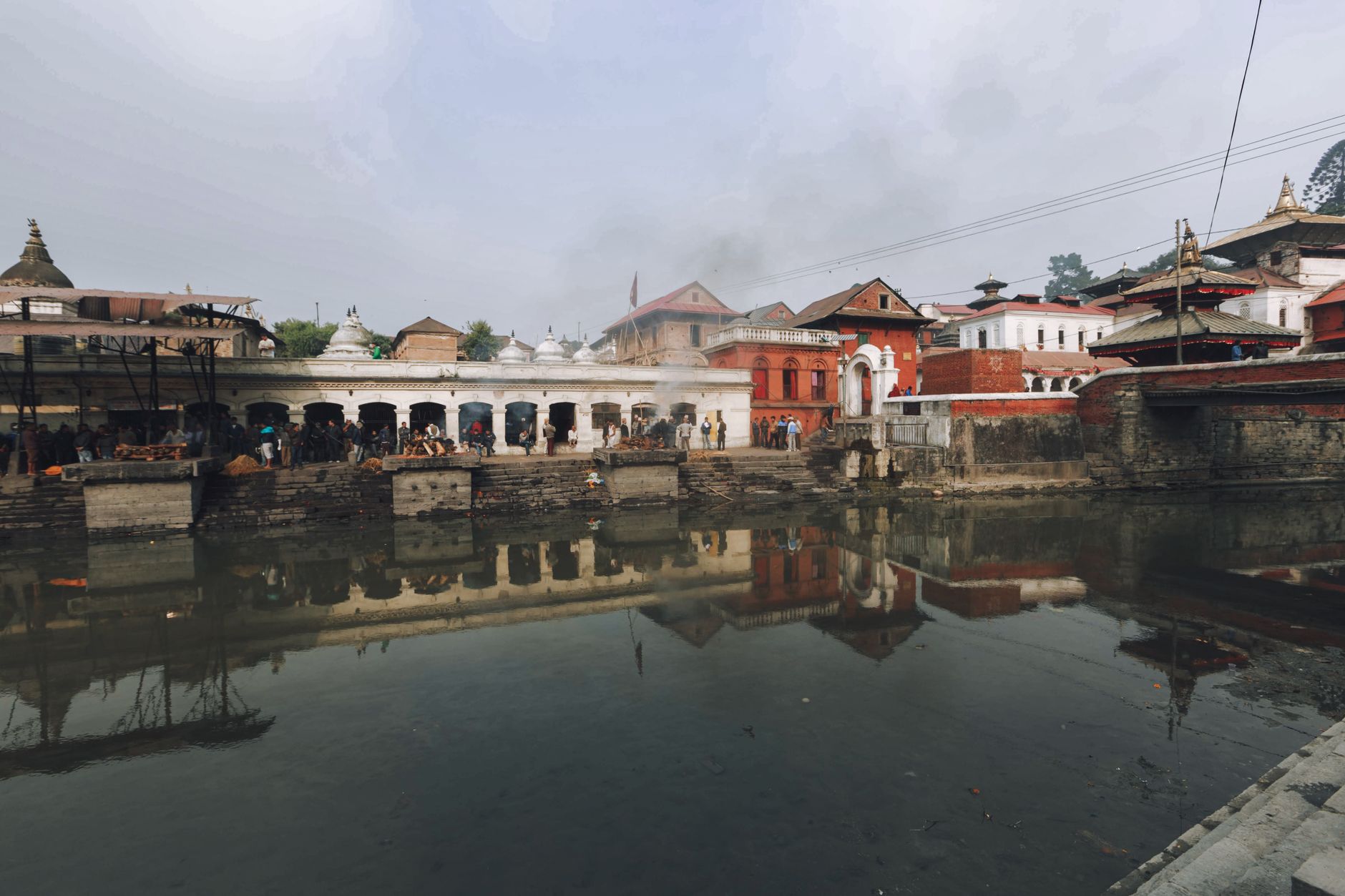
Only Hindus may enter the main temple courtyard, but visitors can explore the wider complex of shrines, lingams and ashrams. Across the river, the terraces give a respectful view of the cremation ghats, where families perform last rites in the open. Ash-smeared sadhus gather in the courtyards, and the evening aarti ceremony fills the riverbank with fire, bells and chanting.
Foreign visitors pay an entry fee of around NPR 1,000. Allow one and a half to two hours; late afternoon into the evening aarti is the most atmospheric time. Dress modestly, do not photograph grieving families or cremations up close, and keep leather items low-key near the shrines. Maha Shivaratri (February or March) brings huge crowds.