



Culture & Historical Tour
Guided journeys through Nepal’s living heritage — the seven UNESCO monument zones of the Kathmandu Valley, the medieval streets of Bhaktapur and the masked dances of Mustang’s Tiji festival.
-
 4.9 (486 reviews)
-
 Licensed cultural guides
-
 Entry tickets arranged

Overview & highlights

Trip Length
7 - 21 Days

Group Size
Solo Trek
Group: 2 -12 trekkers

Altitude
3,210m – 5,545m

Difficulty
Moderate - Extreme

Best Time
March – May
September – November
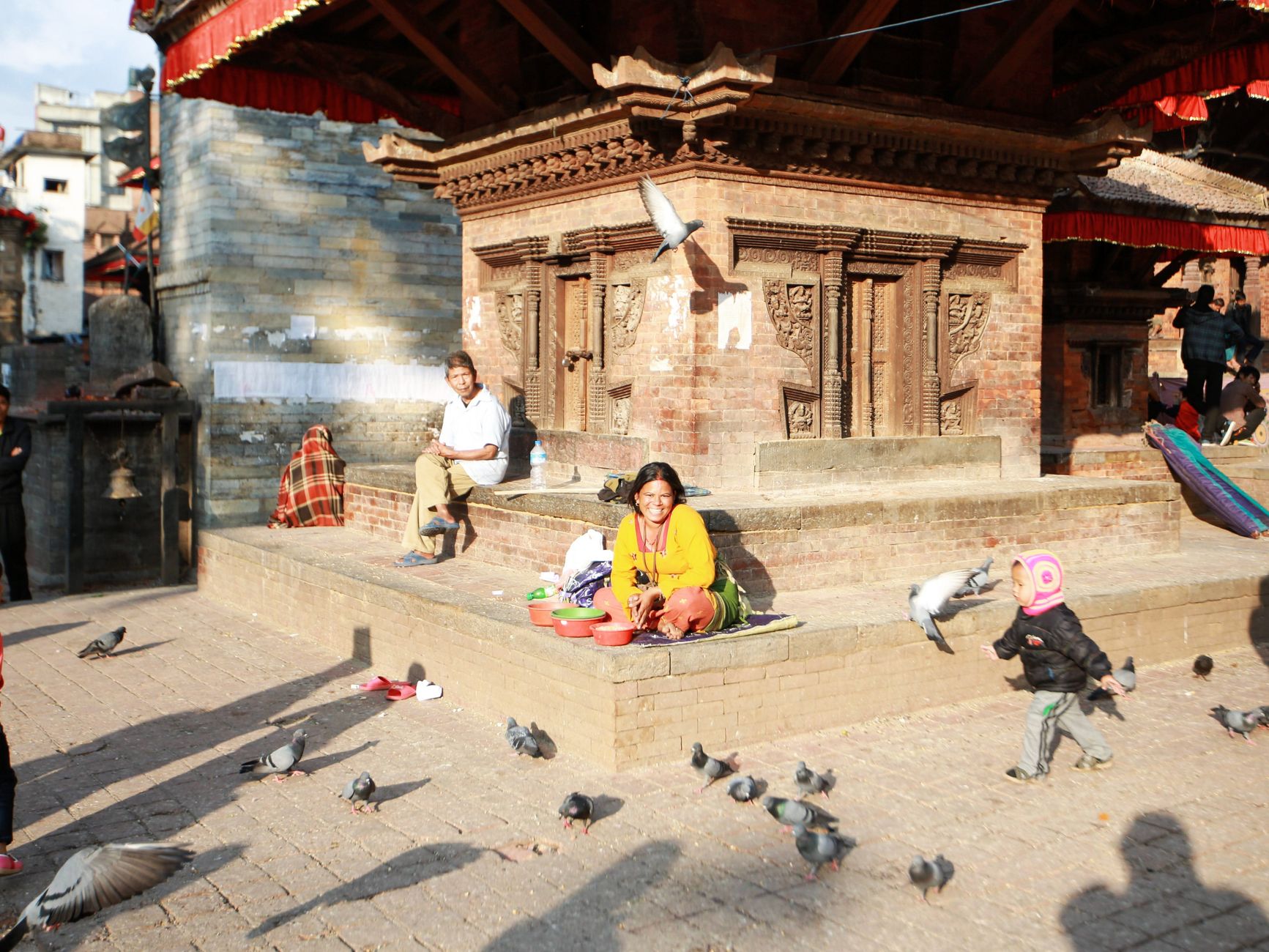
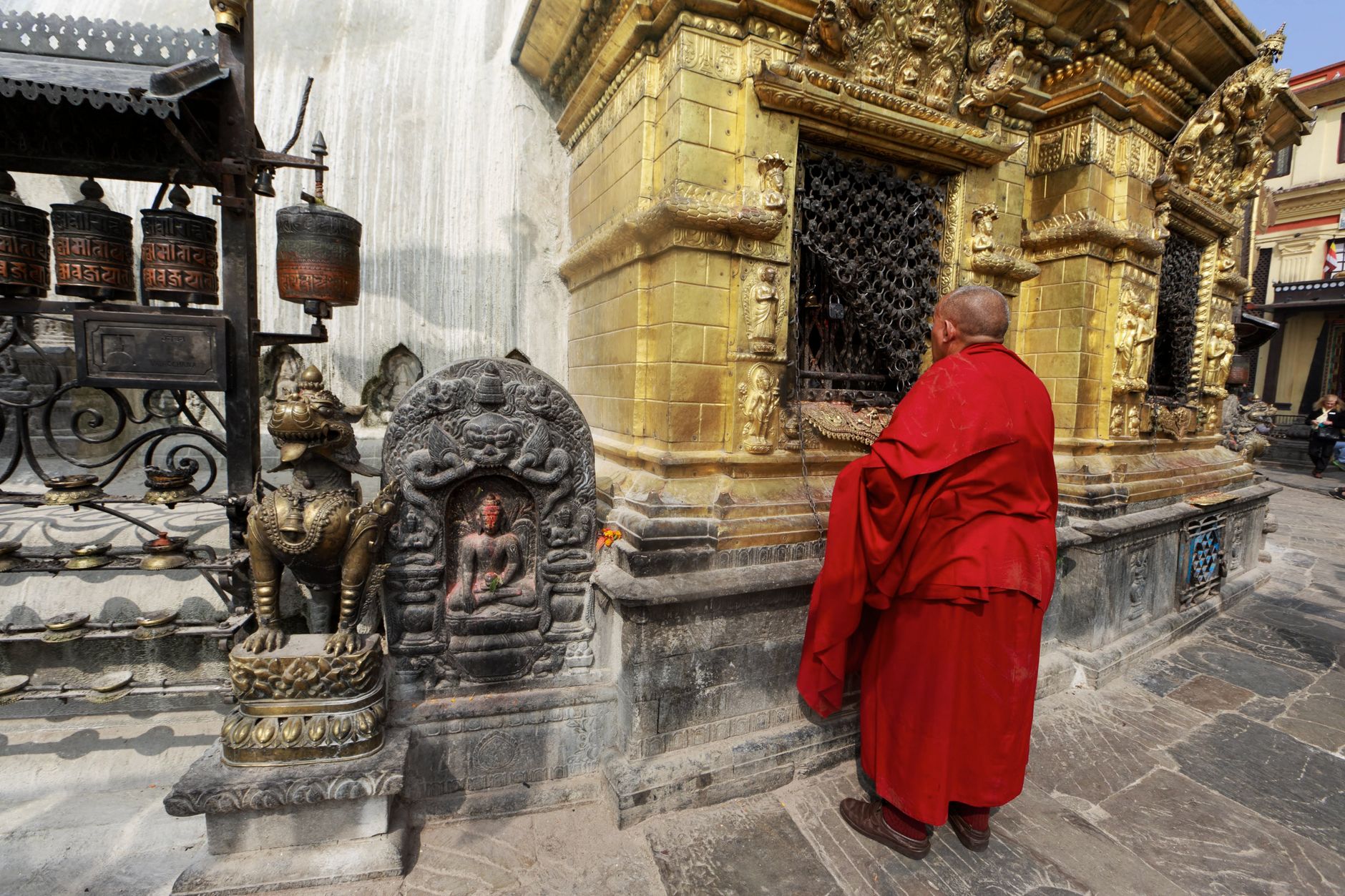
Nepal’s culture is not behind glass. Butter lamps burn at Boudhanath every evening, cremations take place daily on the ghats of Pashupatinath, and the Kumari, the living goddess, still lives in her palace on Kathmandu Durbar Square. Our licensed guides explain not just the dates and dynasties but the rituals happening around you, and when to step aside for them.
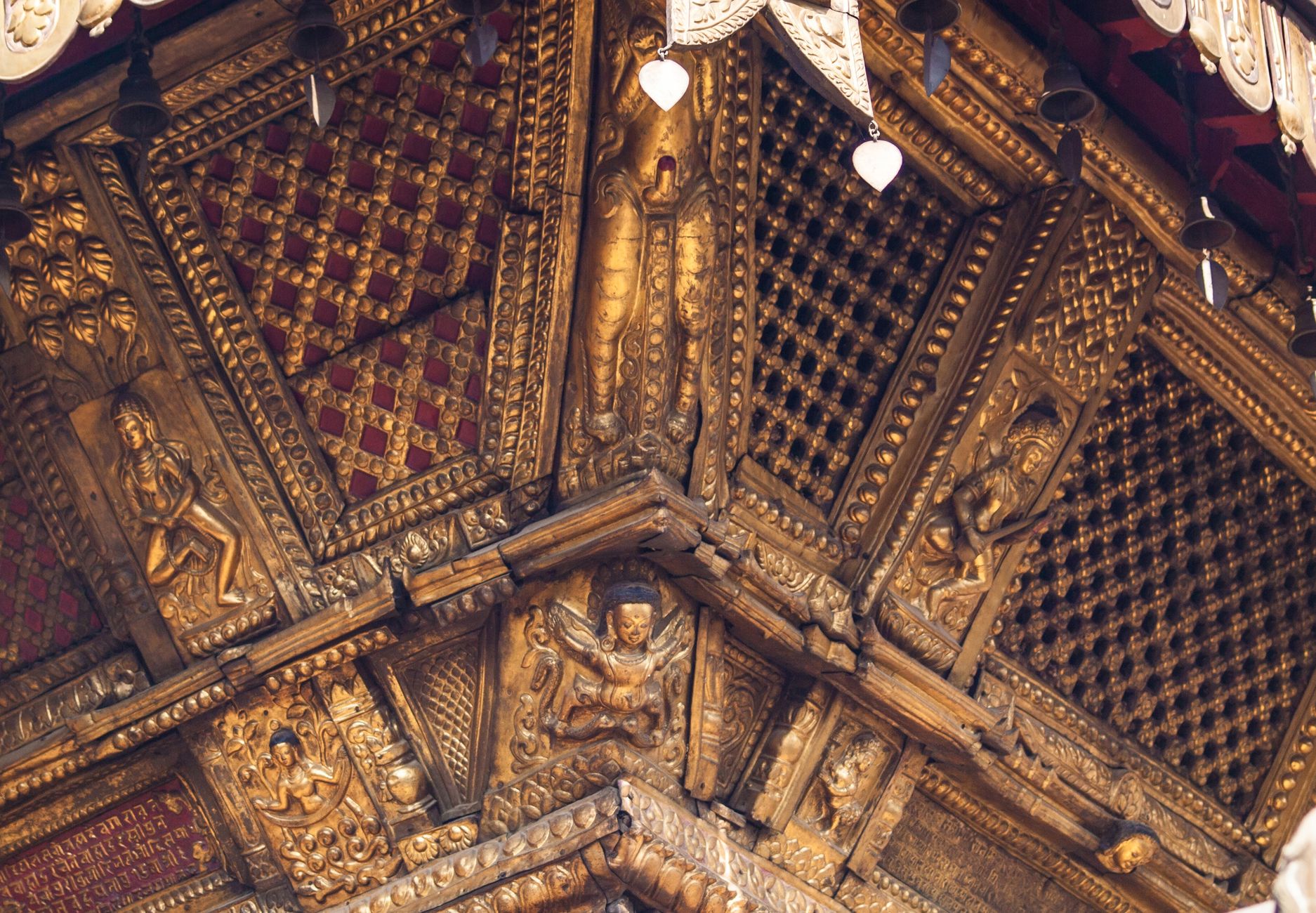
Our Kathmandu Valley heritage tour visits the key monument zones with a guide who can explain what you are looking at, from Malla-era woodcarving in Patan to the hilltop stupa of Swayambhunath. The Bhaktapur–Nagarkot tour adds a night on the valley rim for sunrise over the Himalaya after a day among Bhaktapur’s potters’ squares and pagodas.
For something rarer, the Tiji festival tour takes you to Lo Manthang for three days of masked monastic dances, held each spring according to the Tibetan calendar. Valley tours run as private day trips from your Kathmandu hotel.
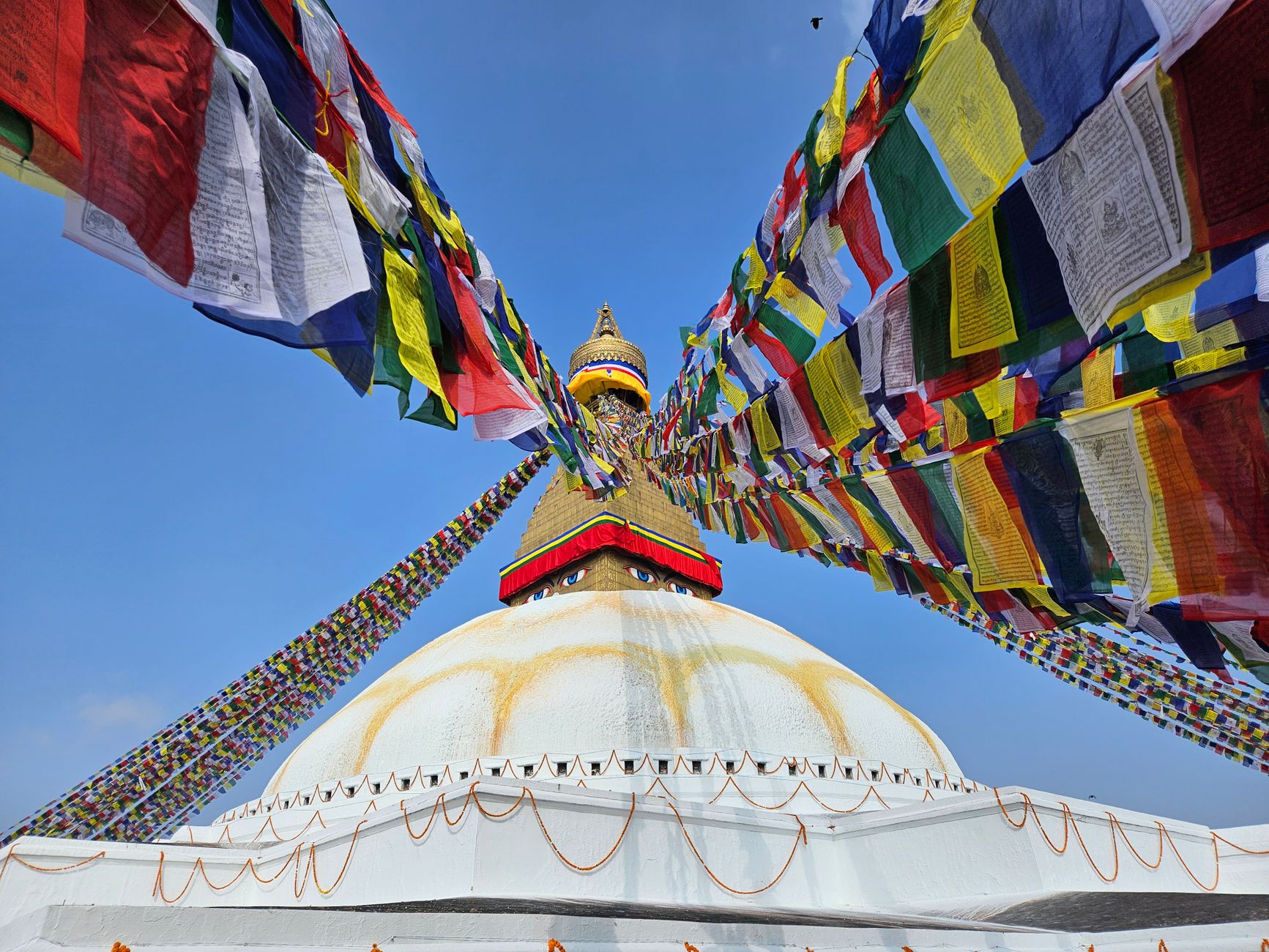
- Evening kora with pilgrims around Boudhanath Stupa
- The 55-Window Palace and Nyatapola Temple in Bhaktapur
- Aarati and cremation rituals on the Bagmati at Pashupatinath
- Sunrise over the Himalaya from Nagarkot
- Masked Tiji dances in the walled city of Lo Manthang
The Kathmandu Valley
Few places hold as much heritage in so small a space. The Kathmandu Valley’s UNESCO World Heritage listing covers seven monument zones: the durbar squares of Kathmandu, Patan and Bhaktapur, the stupas of Swayambhunath and Boudhanath, and the temples of Pashupatinath and Changu Narayan. Hindu and Buddhist traditions overlap at every turn, and the Newar craftsmanship of carved windows and pagoda roofs is still being restored after the 2015 earthquake.
UNESCO monument zones
All within an hour’s drive of central Kathmandu.

TEMPLE CITIES

NEWAR NEIGHBOURHOODS

LIVING RITUALS

UNESCO HERITAGE

Culture beyond the valley
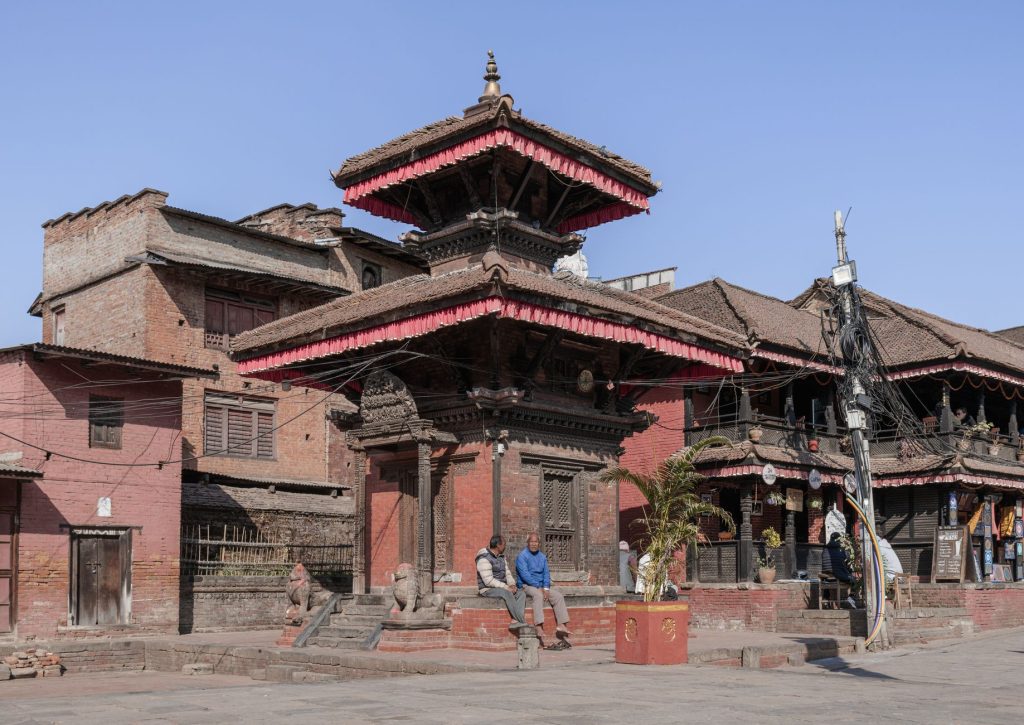
Nepal’s cultural map stretches from the Tharu villages of the lowlands to the Tibetan-Buddhist kingdom of Lo in Upper Mustang.
All regions


Safety & Certification
Cultural tours are led by licensed guides who combine historical knowledge with practical care for your group in busy, crowded places.

Licensed cultural guides
Our tour guides hold Department of Tourism licences and specialise in the history and religion of the valley.

Festival permits handled
For the Tiji festival we apply for the Upper Mustang Restricted Area Permit and ACAP through our registered agency.

Crowd-aware planning
We time visits to avoid the busiest hours where possible and agree a meeting point at every site.
Requirements & Eligibility
Valley tours suit everyone. The Tiji festival tour goes to 3,840m and follows restricted area rules, so it asks a little more.

Health & fitness
- Valley tours involve 3–5 hours of easy walking with temple steps
- Swayambhunath’s eastern stairway has about 365 steep steps (there is a road to the top)
- The Tiji tour needs fitness for trekking or long jeep days at altitude

Permits & documents
- Heritage site entry tickets are sold at each site; we can include them
- Tiji requires the Upper Mustang Restricted Area Permit (licensed guide required) and ACAP
- Passport copy needed for permits and hotel registration

Altitude Readiness
- Kathmandu sits at about 1,400m and Nagarkot at about 2,175m — no concerns
- Lo Manthang is at 3,840m; the Tiji itinerary climbs gradually
- Drink plenty of water and avoid alcohol for the first nights in Mustang

What to wear & bring
- Modest clothing that covers shoulders and knees
- Shoes that are easy to remove; leather items are not allowed inside some Hindu temples
- A scarf or mask for dusty streets and a warm jacket for Nagarkot or Mustang

Non-Hindus cannot enter the main temple at Pashupatinath, but the riverside ghats and surrounding shrines are open to all. Read our guide to the valley’s heritage sites before you go.
Curious about Nepal’s heritage?
Our guides bring the Kathmandu Valley’s temples and old towns to life. Tell us your dates and interests.
Activities Beyond the Mountains
From serene takes to thrilling adventures, explore the best experiences Pokhara has to offer for every kind of travelers.
All activities
Tours & Sightseeing
Heritage cities, lakes, festivals and jungle - Nepal by road, with hotels, a guide and...
View details

Restricted Area Treks
Remote valleys that need a special Restricted Area Permit and a licensed guide: Upper Mustang,...
View details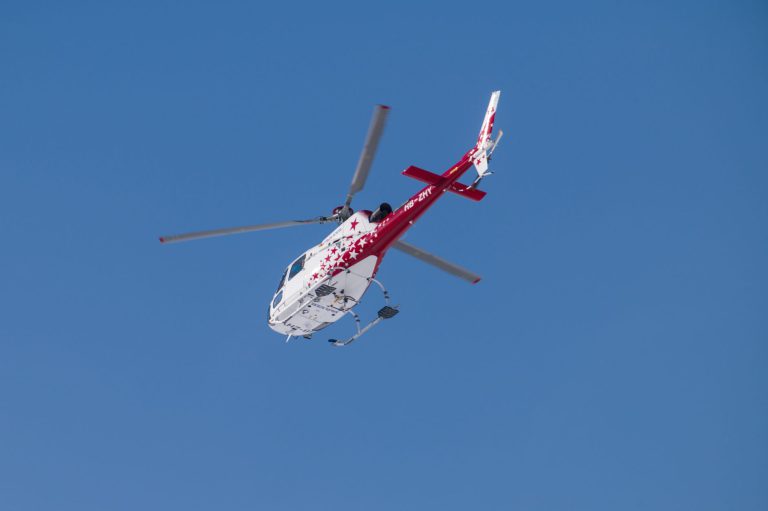

Helicopter Tours
See Everest and the Khumbu glaciers up close in a single morning by helicopter from...
View details
Frequently asked questions
Etiquette, timing and tickets for Nepal’s heritage sites and festivals.
Ask our teamDo I need to pay entry fees at the heritage sites?
When is the Tiji festival?
Is it respectful to photograph rituals?
How much of the heritage was damaged in 2015?
Which way should I walk around a stupa?
What Our Travelers Say
Discover what our guests have to say about their time in Pokhara Nepal, from seamless adventures to meaningful moments along the way.
Review us on GOOGLE


