




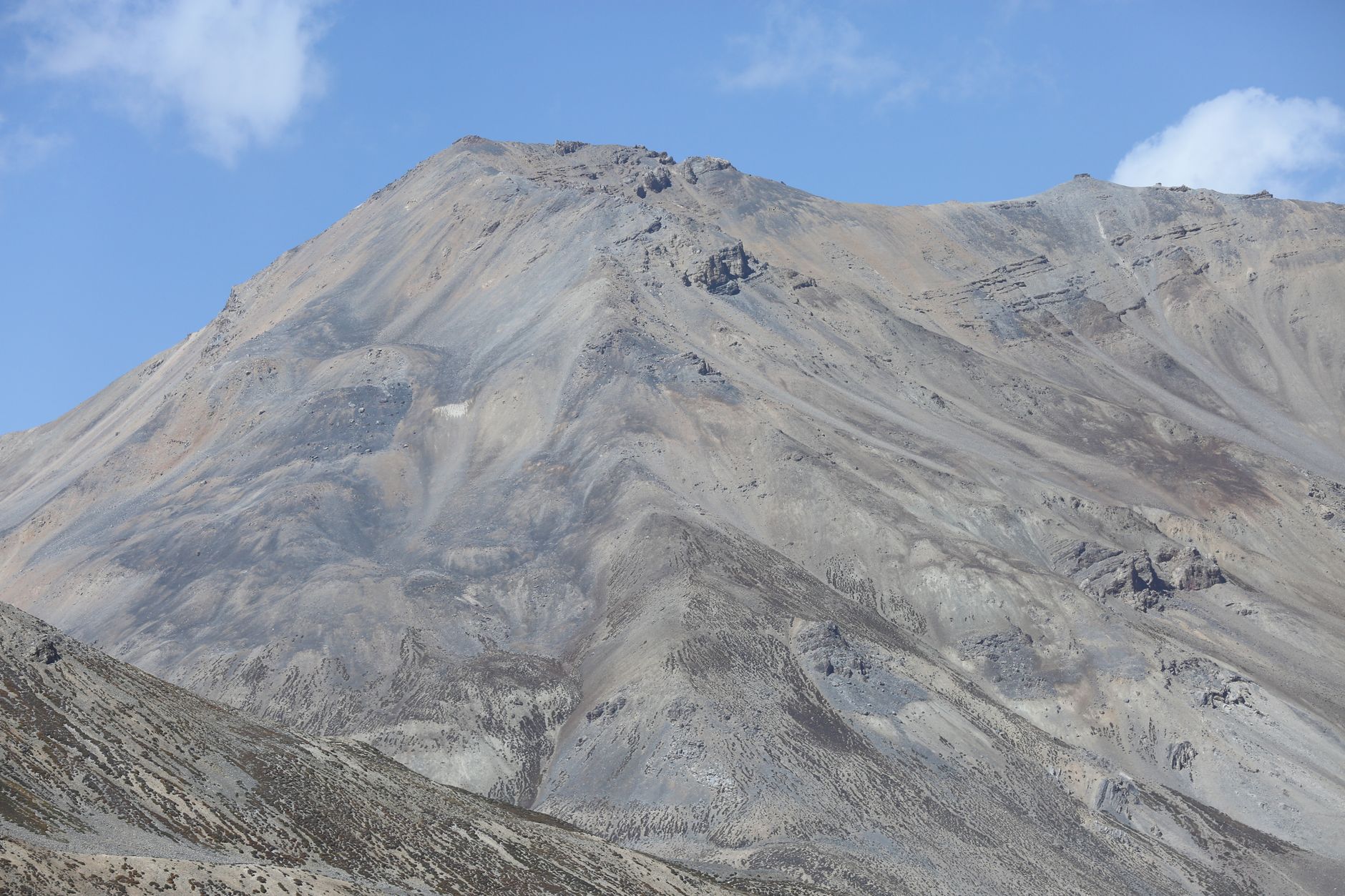


Annapurna Circuit Trek
 6 spring departures left
-
 Manang & Mustang, Annapurna Region, Nepal

Cross Thorong La Pass at 5,416 m

Upper route via Ghyaru and Ngawal

Muktinath Temple and Kagbeni

Scenic Jomsom to Pokhara flight
The Annapurna Circuit is one of the great walks of the Himalaya. It loops around the Annapurna massif, climbing from subtropical farmland beside the Marsyangdi River into the high, dry country of Manang, over the Thorong La pass at 5,416 m, and down into the Kali Gandaki valley of Mustang. Few treks pack so many landscapes and cultures into two weeks.
Roads now reach deep into both sides of the circuit, so this 14-day itinerary drives past the lowest, most road-affected section and starts walking at Dharapani. From there you follow the best of the trail: pine forest to Chame, the upper route through Ghyaru and Ngawal with its sweeping views of Annapurna II, III and IV and Gangapurna, and the old Tibetan-style villages around Manang.
We build in a full acclimatisation day in Manang, then climb slowly via Yak Kharka and Thorong Phedi before an early start for the pass. After the long descent you reach Muktinath, a temple sacred to both Hindus and Buddhists, and walk on through Kagbeni to Jomsom for a short scenic flight to Pokhara.
This is a high-altitude trek with a long pass day, so it suits fit walkers who have done some hiking before. Our licensed guides watch the pace, the weather and how everyone is coping with altitude, while porters carry the main load and teahouses provide warm meals and simple rooms every night.
-
 Duration
 14 Days
-
Nights
13 Nights
-
 Difficulty
 Hard
-
 Max.Elevation
 5,416 m (17,769 ft)
-
 Accomodation
 Hotel, Lodge & Tea house
-
 Meals
Meals Breakfast, Lunch & Dinner during the trek
-
 Group Size
 1 - 12 Travelers
-
 Best Season
 Mar - May, Sep - Nov
-
 Starting Point
 Kathmandu
-
 Ending Point
 Kathmandu
-
 Permit
 Annapurna Conservation Area Permit (ACAP), TIMS Card
-
 Trip Type
 Private or Group
The Annapurna Circuit is one of the great walks of the Himalaya. It loops around the Annapurna massif, climbing from subtropical farmland beside the Marsyangdi River into the high, dry country of Manang, over the Thorong La pass at 5,416 m, and down into the Kali Gandaki valley of Mustang. Few treks pack so many landscapes and cultures into two weeks.
Roads now reach deep into both sides of the circuit, so this 14-day itinerary drives past the lowest, most road-affected section and starts walking at Dharapani. From there you follow the best of the trail: pine forest to Chame, the upper route through Ghyaru and Ngawal with its sweeping views of Annapurna II, III and IV and Gangapurna, and the old Tibetan-style villages around Manang.
We build in a full acclimatisation day in Manang, then climb slowly via Yak Kharka and Thorong Phedi before an early start for the pass. After the long descent you reach Muktinath, a temple sacred to both Hindus and Buddhists, and walk on through Kagbeni to Jomsom for a short scenic flight to Pokhara.
This is a high-altitude trek with a long pass day, so it suits fit walkers who have done some hiking before. Our licensed guides watch the pace, the weather and how everyone is coping with altitude, while porters carry the main load and teahouses provide warm meals and simple rooms every night.


Itinerary
Fourteen days from Kathmandu, driving to Dharapani, trekking up the Marsyangdi to Manang, over Thorong La to Muktinath and Jomsom, then flying to Pokhara.
Arrival in Kathmandu
-
 Max Altitude
1,400 m
Max Altitude
1,400 m
-
 Accommodation
Hotel
Accommodation
Hotel
- Transfer Airport to hotel, approx. 30 mins
Welcome to Nepal. A member of our team meets you at Tribhuvan International Airport and transfers you to your hotel in Kathmandu. Once you have settled in, your guide will go through the route, check your gear and collect the passport details needed for your permits. If you arrive early, the afternoon is free to wander Thamel or visit a nearby heritage site such as Swayambhunath. Get a good night’s sleep; tomorrow is a long day on the road. Your guide will also explain what to expect on the road tomorrow.
Day highlights
-
 Airport welcome
 -
Trek briefing and gear check
Drive Kathmandu to Dharapani via Besisahar
-
Max Altitude
1,860 m
-
Accommodation
Guesthouse (Basic Lodge/Community Lodge)
-
Meals
Breakfast, Lunch, and Dinner Included
We leave Kathmandu early and follow the Prithvi Highway west along the Trishuli River, turning north at Dumre to Besisahar, the district headquarters of Lamjung. Here we switch to a local jeep for the rough road up the Marsyangdi valley, passing waterfalls, terraced fields and villages such as Bhulbhule, Jagat and Tal. The road is bumpy and slow but the scenery changes quickly as the gorge narrows. We stop for the night at Dharapani, where the trail from Manaslu joins the Annapurna route, and settle into our first teahouse of the trek.
Day highlights
-
Marsyangdi River gorge
-
Change to jeep at Besisahar
Trek Dharapani to Chame
-
Max Altitude
2,670 m
-
Accommodation
Guesthouse (Basic Lodge/Community Lodge)
-
Meals
Breakfast, Lunch, and Dinner Included
Our first full day on foot follows the Marsyangdi west through Bagarchhap and Danaque, where prayer flags and mani walls show that you are entering Buddhist country. The trail climbs through pine and fir forest with the first glimpses of Annapurna II and Lamjung Himal, then passes Timang with its open views of Manaslu behind. We continue to Chame, the headquarters of Manang district, a village with shops, a small hot spring by the river and good teahouses. Take it easy this evening; you are now above 2,600 m.
Day highlights
-
First views of Annapurna II
-
Buddhist villages of Manang district
Trek Chame to Upper Pisang
-
Max Altitude
3,300 m
-
Accommodation
Guesthouse (Basic Lodge/Community Lodge)
-
Meals
Breakfast, Lunch, and Dinner Included
The valley becomes steeper and narrower as we walk past the apple orchards of Bhratang and through a section of trail cut into the rock above the river. Around the next bend the enormous curved slab of Paungda Danda rises almost 1,500 m above the valley floor, one of the most striking sights of the circuit. The forest thins as we reach the wide Pisang valley. We climb to Upper Pisang, an old stone village with a gompa overlooking Annapurna II, and spend the night here to help acclimatisation.
Day highlights
-
Paungda Danda rock face
-
Upper Pisang gompa
Trek Upper Pisang to Ngawal via Ghyaru
-
Max Altitude
3,730 m
-
Accommodation
Guesthouse (Basic Lodge/Community Lodge)
-
Meals
Breakfast, Lunch, and Dinner Included
Rather than the lower valley road, we take the upper trail, which is quieter and far more scenic. After crossing a stream the path climbs steeply in switchbacks to Ghyaru at about 3,730 m, a hard hour or two of effort that pays off with a close-up panorama of Annapurna II, III and IV and Gangapurna. From Ghyaru the trail contours along the hillside past chortens and small fields to Ngawal, a traditional village of flat-roofed stone houses. Climbing high and sleeping at a similar height is excellent preparation for the pass ahead.
Day highlights
-
Panorama from Ghyaru
-
Traditional village of Ngawal
Trek Ngawal to Manang
-
Max Altitude
3,540 m
-
Accommodation
Guesthouse (Basic Lodge/Community Lodge)
-
Meals
Breakfast, Lunch, and Dinner Included
A relaxed, mostly gentle descent brings us back to the valley floor near Mungji and on through the broad, dry landscape to Braga, whose centuries-old monastery perches on the cliff above the village and is well worth a visit. A short walk further is Manang, the largest settlement in the upper valley, with bakeries, small shops and a view straight across to the Gangapurna glacier. Arrive by lunchtime and enjoy a slow afternoon; the Himalayan Rescue Association post here usually gives a free talk on altitude sickness during the main seasons.
Day highlights
-
Braga Monastery
-
Views of Gangapurna glacier
Acclimatisation day in Manang
-
Max Altitude
3,540 m
-
Accommodation
Guesthouse (Basic Lodge/Community Lodge)
-
Meals
Breakfast, Lunch, and Dinner Included
Today is about letting your body adjust before going higher. The rule is to climb high and sleep low, so after breakfast your guide will lead a hike above the village. Popular options are the short climb to the Gangapurna Lake viewpoint, the walk up to Praken Gompa where a resident lama has traditionally offered blessings to trekkers, or, for strong walkers, the long climb towards Ice Lake at around 4,600 m. Return to Manang for lunch, then rest, drink plenty of water and enjoy the village.
Day highlights
-
Gangapurna Lake viewpoint
-
Optional hike towards Ice Lake
Trek Manang to Yak Kharka
-
Max Altitude
4,050 m
-
Accommodation
Guesthouse (Basic Lodge/Community Lodge)
-
Meals
Breakfast, Lunch, and Dinner Included
We leave the last big village behind and climb out of the Marsyangdi valley towards the northwest. The trail passes the small settlement of Gunsang and crosses open slopes of juniper and scrub where yaks and horses graze, with Annapurna III, Gangapurna and Chulu West behind us. The day is deliberately short, as the altitude gain matters more than the distance. We stop at Yak Kharka for lunch and a quiet afternoon, taking a short walk uphill if you feel well.
Day highlights
-
Yak pastures
-
Views back to Annapurna III and Gangapurna
Trek Yak Kharka to Thorong Phedi
-
Max Altitude
4,450 m
-
Accommodation
Guesthouse (Basic Lodge/Community Lodge)
-
Meals
Breakfast, Lunch, and Dinner Included
Another short but important day. We walk to Ledar, then cross the river on a suspension bridge and follow a trail cut across a steep, rocky slope. This section can have rockfall, so your guide will keep the group moving steadily and quietly through it. By late morning we reach Thorong Phedi, the cluster of lodges at the foot of the pass. Rest, eat well, pack your bag for an early start and go to bed early. Some groups continue a further hour to High Camp; your guide will decide based on how everyone is feeling.
Day highlights
-
Arrive at the foot of Thorong La
-
Pass-day briefing
Cross Thorong La (5,416 m), descend to Muktinath
-
Max Altitude
5,416 m
-
Accommodation
Guesthouse (Basic Lodge/Community Lodge)
-
Meals
Breakfast, Lunch, and Dinner Included
The big day starts around 4 or 5 in the morning to get over the pass before the strong afternoon wind. The first steep hour climbs to High Camp, then the trail zigzags up a long series of moraines and false summits. Go slowly and steadily. After roughly four to five hours you reach the prayer flags and chorten of Thorong La at 5,416 m, with views of Thorong Peak, the Annapurnas and the Mustang ranges. The descent is long and hard on the knees, dropping about 1,600 m to Muktinath, where a warm teahouse and a big dinner are waiting.
Day highlights
-
Summit of Thorong La
-
Long descent into Mustang
Visit Muktinath Temple, trek to Jomsom via Kagbeni
-
Max Altitude
3,800 m
-
Accommodation
Guesthouse (Basic Lodge/Community Lodge)
-
Meals
Breakfast, Lunch, and Dinner Included
In the morning we visit Muktinath, a sacred site for both Hindus and Buddhists, known for its 108 water spouts and a small shrine where a natural gas flame burns beside a spring. We then walk down the dry, wind-carved valley past the fortress-like village of Jharkot to Kagbeni, a medieval village of mud-brick houses at the gateway to Upper Mustang. The final stretch follows the wide Kali Gandaki riverbed to Jomsom. The afternoon wind in this valley is strong, so start early. A jeep is available for part of the way if you prefer.
Day highlights
-
Muktinath Temple
-
Kagbeni village
-
Kali Gandaki valley
Fly Jomsom to Pokhara
-
Max Altitude
2,720 m
-
Accommodation
Hotel
-
Meals
Breakfast Included
Morning flights are the most reliable in the windy Kali Gandaki valley, so we head to the airstrip early for the short flight to Pokhara. In about 20 to 25 minutes you fly between Dhaulagiri and Annapurna I, through one of the deepest gorges on earth, before landing beside Phewa Lake. After checking into your hotel the rest of the day is yours: a boat ride on the lake, a lakeside massage, or simply a long, well-earned lunch. If flights are cancelled by weather, we travel by jeep instead.
Day highlights
-
Flight between Dhaulagiri and Annapurna
-
Free afternoon by Phewa Lake
Drive Pokhara to Kathmandu
-
Max Altitude
1,400 m
-
Accommodation
Hotel
-
Meals
Breakfast Included
After breakfast we board a tourist bus back to Kathmandu along the Prithvi Highway, following the Seti, Marsyangdi and Trishuli rivers through the middle hills. The journey takes most of the day with stops for tea and lunch. You arrive in Kathmandu in the late afternoon and are transferred to your hotel. Spend the evening shopping for souvenirs in Thamel or enjoying a farewell dinner. Domestic flights to Kathmandu are available at extra cost if you would rather save time.
Day highlights
-
Scenic Prithvi Highway
-
Evening in Thamel
Departure from Kathmandu
-
Max Altitude
1,400 m
-
Meals
Breakfast Included
- Transfer Hotel to airport
Your trek with Elevate Trek comes to an end today. Depending on your flight time you may have a few hours for last-minute shopping or a visit to Boudhanath Stupa. A member of our team will transfer you to Tribhuvan International Airport about three hours before your international departure. Thank you for walking the Annapurna Circuit with us; we hope to welcome you back to the mountains again soon. If you have extra days, we can arrange a Kathmandu Valley heritage tour, a jungle safari in Chitwan or a few more relaxed days in Pokhara before you fly home.
Day highlights
-
Airport drop-off
Maps
Where this trip takes you.
Fixed Departures
Set group departures below. Private dates can be arranged on any day that suits you.
Oct 20 - Nov 2, 2026
-
 Group Joining
 -
 Guaranteed
From $1,190 /Person
Book nowNov 5 - Nov 18, 2026
-
Group Joining
-
Guaranteed
From $1,190 /Person
Book nowNov 20 - Dec 3, 2026
-
Group Joining
-
Guaranteed
From $1,190 /Person
Book nowMar 5 - Mar 18, 2027
-
Group Joining
-
Available
From $1,190 /Person
Book nowMar 20 - Apr 2, 2027
-
Group Joining
-
Available
From $1,190 /Person
Book nowApr 5 - Apr 18, 2027
-
Group Joining
-
Available
From $1,190 /Person
Book nowApr 20 - May 3, 2027
-
Group Joining
-
Available
From $1,190 /Person
Book nowMay 5 - May 18, 2027
-
Group Joining
-
Available
From $1,190 /Person
Book nowMay 20 - Jun 2, 2027
-
Group Joining
-
Available
From $1,190 /Person
Book nowSep 5 - Sep 18, 2027
-
Group Joining
-
Available
From $1,190 /Person
Book nowSep 20 - Oct 3, 2027
-
Group Joining
-
Available
From $1,190 /Person
Book nowAvailability
Join a set group departure, or ask us for a private date that suits you.
Didn’t find a suitable date? Contact us with your dates and preferences.
Inclusions & exclusions
What the trip price covers, and what to budget for separately.
What’s included
- Airport transfers – arrival and departure in Kathmandu by private vehicle
- Hotels – 2 nights in Kathmandu and 1 night in Pokhara, twin sharing with breakfast
- Teahouses – 10 nights in trail lodges, twin sharing where available
- Meals – breakfast, lunch and dinner from Day 2 to Day 11
- Transport – Kathmandu to Dharapani by bus/jeep and Pokhara to Kathmandu by tourist bus
- Flight – Jomsom to Pokhara, including domestic airport tax
- Guide and porter – licensed English-speaking guide and one porter per two trekkers, with their wages, meals, lodging and insurance
- Permits – Annapurna Conservation Area Permit (ACAP) and TIMS card
- First aid – basic medical kit and pulse oximeter carried by the guide
- Taxes – government taxes and service charges
Not included
- International flights and Nepal visa fee
- Lunch and dinner in Kathmandu and Pokhara
- Travel insurance – must cover trekking to 5,500 m and helicopter evacuation
- Drinks and snacks – bottled water, hot drinks outside meals, alcohol, soft drinks
- Teahouse extras – hot showers, battery charging and Wi-Fi where charged
- Extra nights or transport caused by flight cancellation, weather or early return
- Personal equipment and clothing
- Tips for guide, porter and driver
Why this trip stands out
-
 It crosses one of the highest trekking passes in the world without any technical climbing.
 -
You pass from green rice terraces to high desert in a single trek.
-
The upper route via Ghyaru and Ngawal avoids the road and gives the best mountain views.
-
A full rest day in Manang and a slow approach to the pass give you a better chance of crossing safely.
-
Flying out from Jomsom saves two long days of dusty road travel.
Good to know
Practical information to help you prepare for this trip.

Essential Packing Guide
Pack for everything from warm valleys to freezing mornings at the pass.
- Warm layers: down jacket, thermal base layers, fleece, warm hat and gloves.
- Sleeping bag: rated to around -10 °C for Thorong Phedi; we can lend one.
- Footwear: broken-in waterproof trekking boots, plus light shoes for the evenings.
- Other: trekking poles, headtorch, sunglasses, sunscreen, water purification and a small first-aid kit.

Altitude & Acclimatisation
You sleep above 3,500 m for five nights and cross 5,416 m. Drink plenty of water, avoid alcohol above Manang, walk slowly and report any symptoms early. Discuss medication such as acetazolamide with your doctor before travel.

Permits
You need an Annapurna Conservation Area Permit (ACAP) and a TIMS card, both included. Please send a clear passport copy and a passport-size photo before arrival.

Accommodation and Meals
Teahouses offer twin rooms with blankets; lower villages often have attached bathrooms, higher up they are shared. Menus include dal bhat, noodles, pasta, eggs and soups. Hot showers, charging and Wi-Fi may cost extra, and prices rise with altitude.

Travel Insurance
Your insurance must cover trekking up to at least 5,500 m, medical treatment and helicopter evacuation. We will ask for your policy details before the trek.

Currency
Carry enough Nepali rupees in cash from Kathmandu or Pokhara. There are few ATMs on the trail (Chame, Jomsom) and they are unreliable. Budget for drinks, snacks, showers, charging and tips.
FAQs
Answers to the questions travellers ask us most about this trip.
What about altitude sickness?
Altitude is the main risk on this trek. The itinerary gains height gradually and includes a rest day in Manang. Your guide checks everyone daily, carries a pulse oximeter and will turn back or descend if symptoms become serious. Tell your guide immediately about headaches, nausea or unusual tiredness.
Is the road spoiling the trek?
Roads now run up both valleys, which is why we drive to Dharapani and take the upper trail through Ghyaru and Ngawal. From Dharapani to Manang and beyond you mostly walk on footpaths away from the road. After the pass we can take a jeep for part of the Muktinath to Jomsom section if you prefer.
Which direction is the circuit walked?
Anticlockwise, from Manang over the pass to Muktinath. This direction gives a gentler, better-acclimatised approach to Thorong La. Crossing from Muktinath means a much bigger height gain in one day.
When is the best time to go?
October and November give the clearest weather, followed by March to May. The pass can be closed by snow in winter, especially from late December to February, and the monsoon (June to August) brings rain and leeches lower down.
What happens if the Jomsom flight is cancelled?
Jomsom flights often run late or are cancelled by wind or cloud. In that case we either wait for the next flight or drive to Pokhara by jeep, a long day on a rough road. This is why we recommend a spare day at the end of your trip.
Do I need a guide?
Since 2023 foreign trekkers in Nepal’s national parks and conservation areas are required to trek with a licensed guide. All our departures include one.
Is there internet and phone signal?
Most teahouses offer Wi-Fi for a small fee, and mobile data works in many villages, but coverage is patchy and slow at higher altitudes, especially near the pass.
Traveller reviews
Read what travellers say about this trip, or share your own experience.
Plan your journey
Price Starts From
$1,190
$1,320
-
 PAX
COST PER PERSON
PAX
COST PER PERSON
- 1 - 1 Traveler $1,190
- 2 - 5 Travelers $1,080
- 6 - 12 Travelers $990
**Discounts are solely based on your group size. We do not add anyone to your group.
-
Reserve now and pay later
-
Experienced & Knowledgeable Guides
-
Personalized & Customer-centric Service
-
Sustainable & Environmental Responsibility


Bishal plans these departures and usually replies within four hours.
 Free cancellation up to 21 days before departure
Let’s Plan Your Himalayan Journey
Whether it’s a trek, tour, or custom adventure, we’re here to help you plan the perfect experience in Nepal.ss


Send us an Inquiry
Tell us about your dream trip and we’ll get back to you within 24 hours.

Explore more packages
Carefully designed trekking itineraries led by experienced local guides, from beginner-friendly hikes to legendary Himalayan expeditions.
Explore all treks
Mera Peak Climbing
-
17 Days
-
Hard
-
6,476 m (21,247 ft)
Climb Mera Peak (6,476 m), Nepal's highest trekking peak, via the remote Hinku valley and...

Upper Mustang Tiji Festival Tour 12 Days | 11 Nights
-
12 Days
-
Easy
-
3,840 m (12,598 ft)
Watch three days of sacred masked dances in the royal square of Lo Manthang on...

Pokhara To Upper Mustang Tour 10 Days | 9 Nights
-
10 Days
-
Easy
-
3,840 m (12,598 ft)
A 10-day 4WD journey from Pokhara through the Kali Gandaki gorge to the walled city...

Upper Mustang Circuit Trek
-
18 Days
-
Hard
-
4,280 m (14,042 ft)
A full loop of the old Kingdom of Lo: up the west bank via Dhakmar...


